
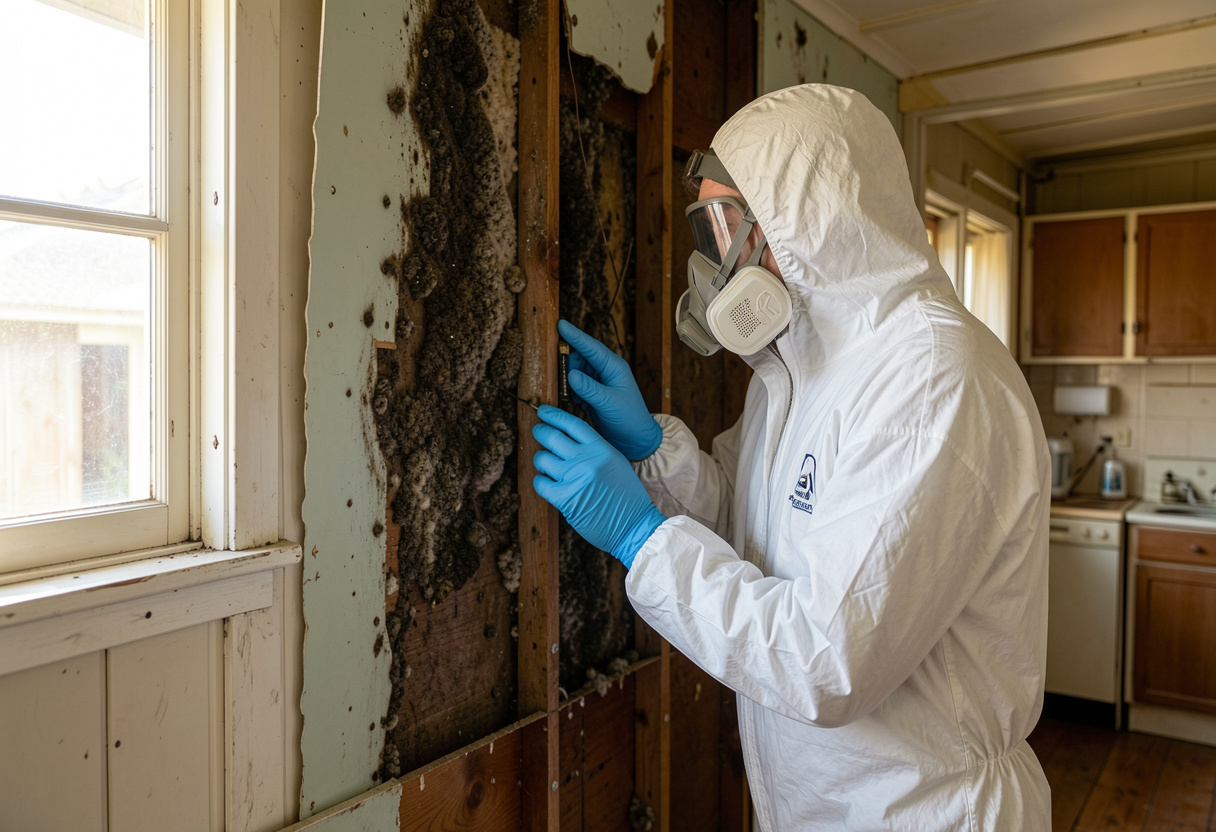
If you've found yourself Googling mould symptoms at midnight, noticed your family getting sick more often than they should, or discovered dark spreading patches well beyond a bathroom tile — you already know something isn't right. Toxic mould contamination on the Central Coast is more common than most homeowners realise. The region's humidity, ageing housing stock, and history of flooding create the exact conditions where mould doesn't just grow — it colonises. Walls, subfloors, roof cavities, structural timbers.
And once it reaches that level, a supermarket spray and a scrubbing brush won't cut it. Toxic mould remediation is a different category of service entirely — and getting it right, the first time, matters for your family's health and your property's future.
CALL (02) 4307 5006 NOWGHL form embed — pending

When mould has penetrated wall cavities, subfloors, roof framing, or insulation, surface cleaning isn't a solution. Structural materials need to be assessed, and in many cases removed and replaced as part of a certified remediation process.
Air and surface testing sometimes reveals not one but several toxigenic mould species present simultaneously. When that's the case, treatment protocols need to be species-specific — a one-size approach won't deliver a safe outcome.
Mould on walls often points to something behind the plasterboard — rising damp, a hidden leak, or cold surfaces collecting condensation through winter. By the time it shows on the surface, there's usually more going on inside the wall cavity.
Persistent coughs, respiratory irritation, fatigue, headaches, and skin reactions that don't resolve are common in homes with serious mould contamination. When symptoms align with time spent in a property, it's time for a professional assessment.
Slow leaks inside walls, rising damp in subfloors, or roof penetrations that went unnoticed for months or years create the sustained moisture conditions that allow toxic mould to establish deeply. These situations require remediation at a level that accounts for the full extent of that moisture damage.
Both Aspergillus species are capable of producing aflatoxins — some of the most potent naturally occurring mycotoxins identified in research. They're commonly found in water-damaged wall cavities and on building materials with high cellulose content.
Penicillium is frequently identified in Central Coast properties following water damage events. It's strongly associated with respiratory sensitisation and is a common trigger for asthma exacerbation, particularly in children and older residents.
Chaetomium thrives in water-damaged cellulose materials — think wet plasterboard, soaked timber framing, and saturated insulation. It produces mycotoxins and is often found alongside Stachybotrys in properties that have experienced serious or prolonged water ingress.
Fusarium is of particular concern for immunocompromised individuals. It's found in damp building materials and soil and can cause serious systemic health complications in people with compromised immune function — including those undergoing chemotherapy or living with autoimmune conditions.
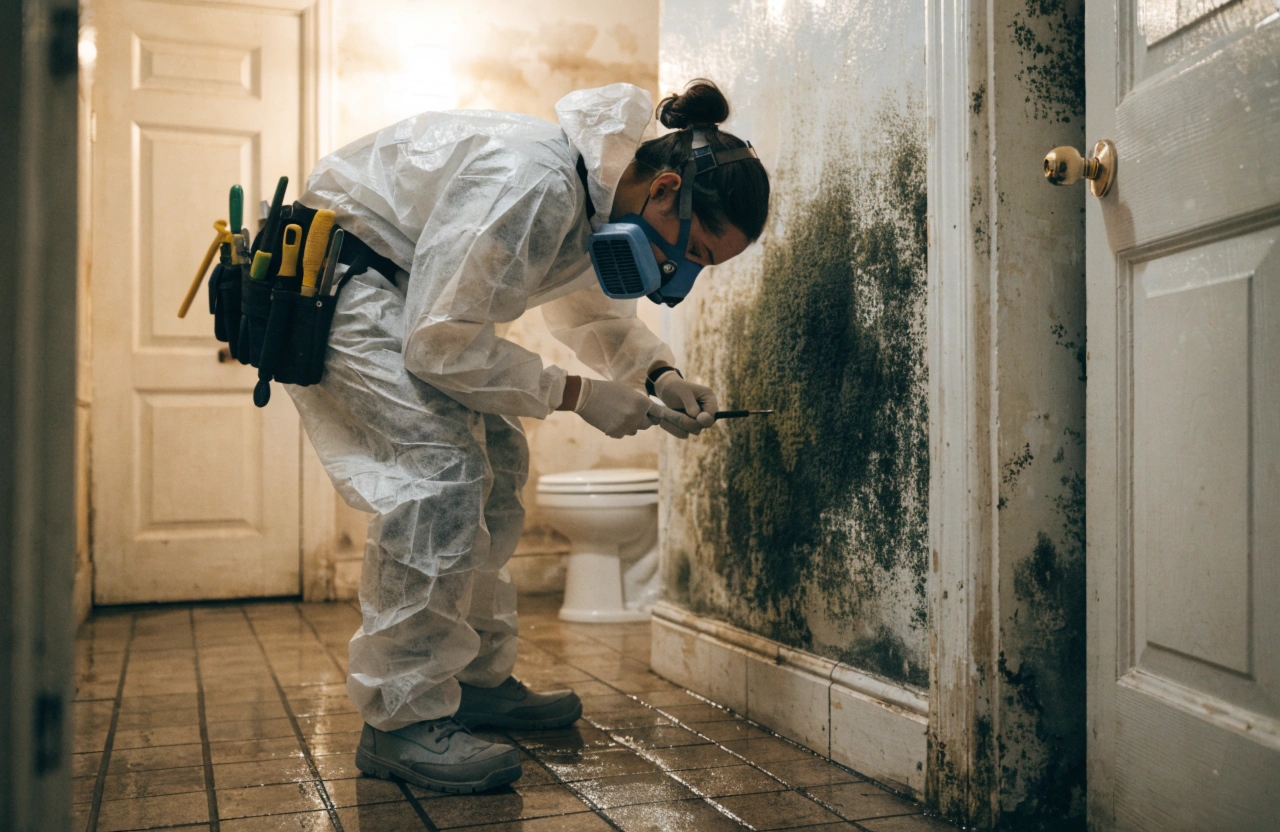

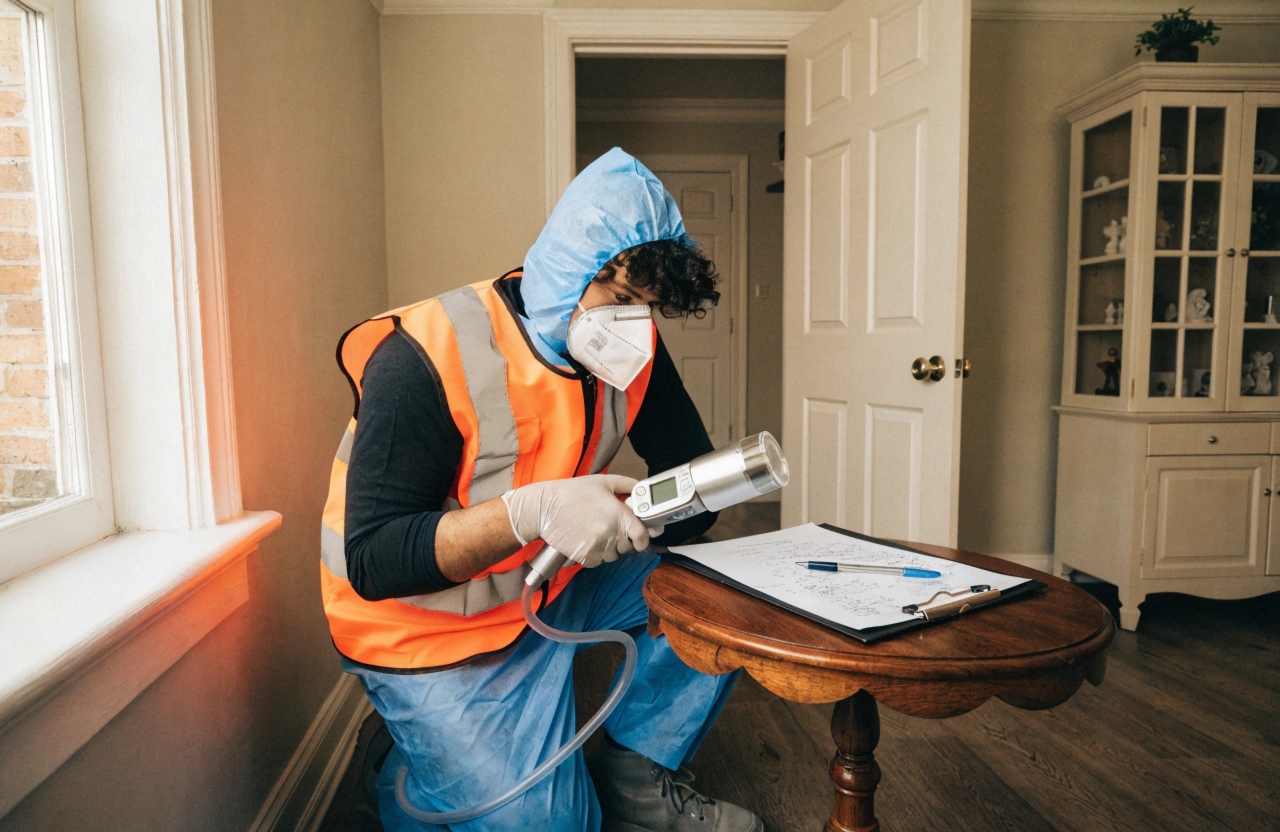
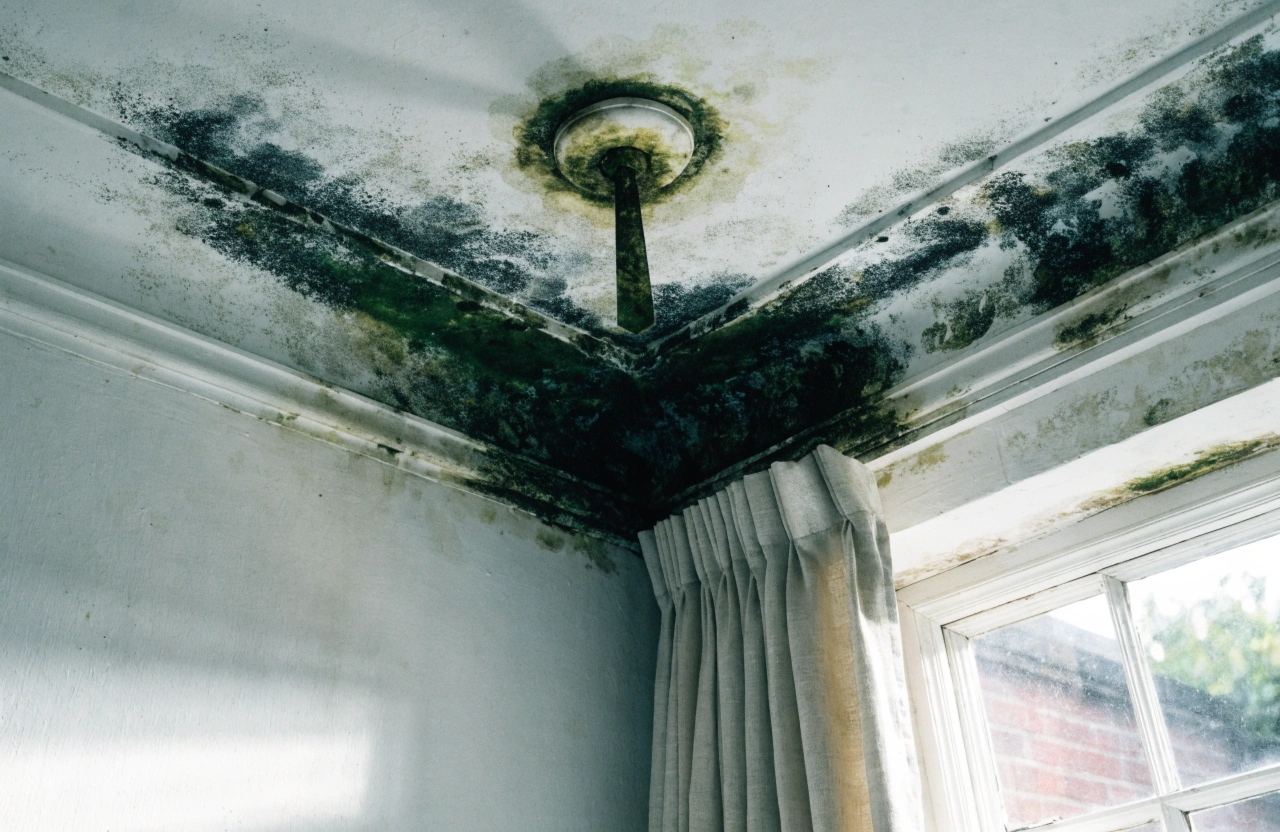
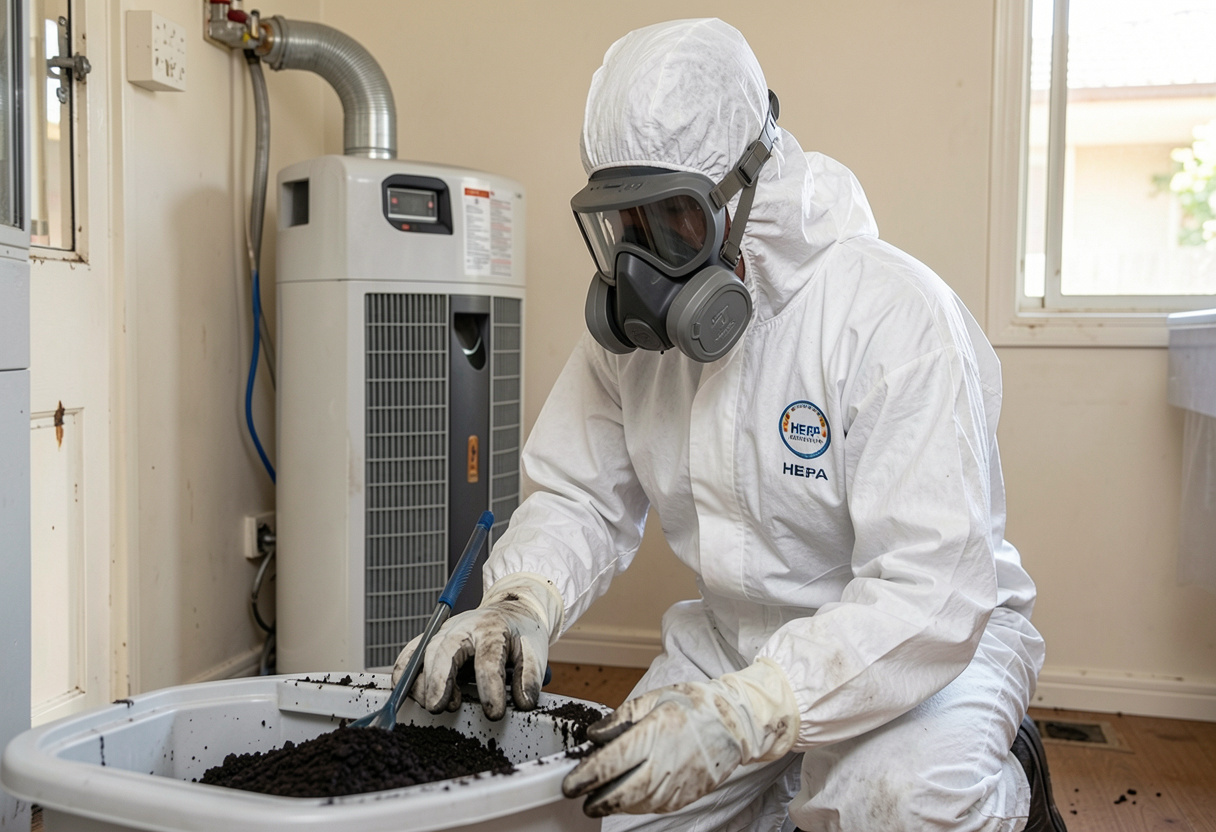
The health impacts of toxic mould exposure operate on two distinct levels, and understanding the difference matters when you're assessing how urgently you need to act.
Allergenic Responses
Elevated mould spore counts affect most people to some degree — triggering sneezing, itchy eyes, nasal congestion, and skin irritation. These allergenic responses are the most common presentation and affect a broad cross-section of occupants regardless of pre-existing health conditions.
Toxigenic Responses and Mycotoxin Exposure
When mould species produce mycotoxins, the health risks become more serious. Mycotoxin exposure has been linked to neurological symptoms, chronic fatigue, immune suppression, and persistent respiratory conditions. These responses are harder to diagnose and are frequently attributed to other causes — which means occupants can live with toxic mould contamination for months or years without connecting their health decline to their indoor environment.
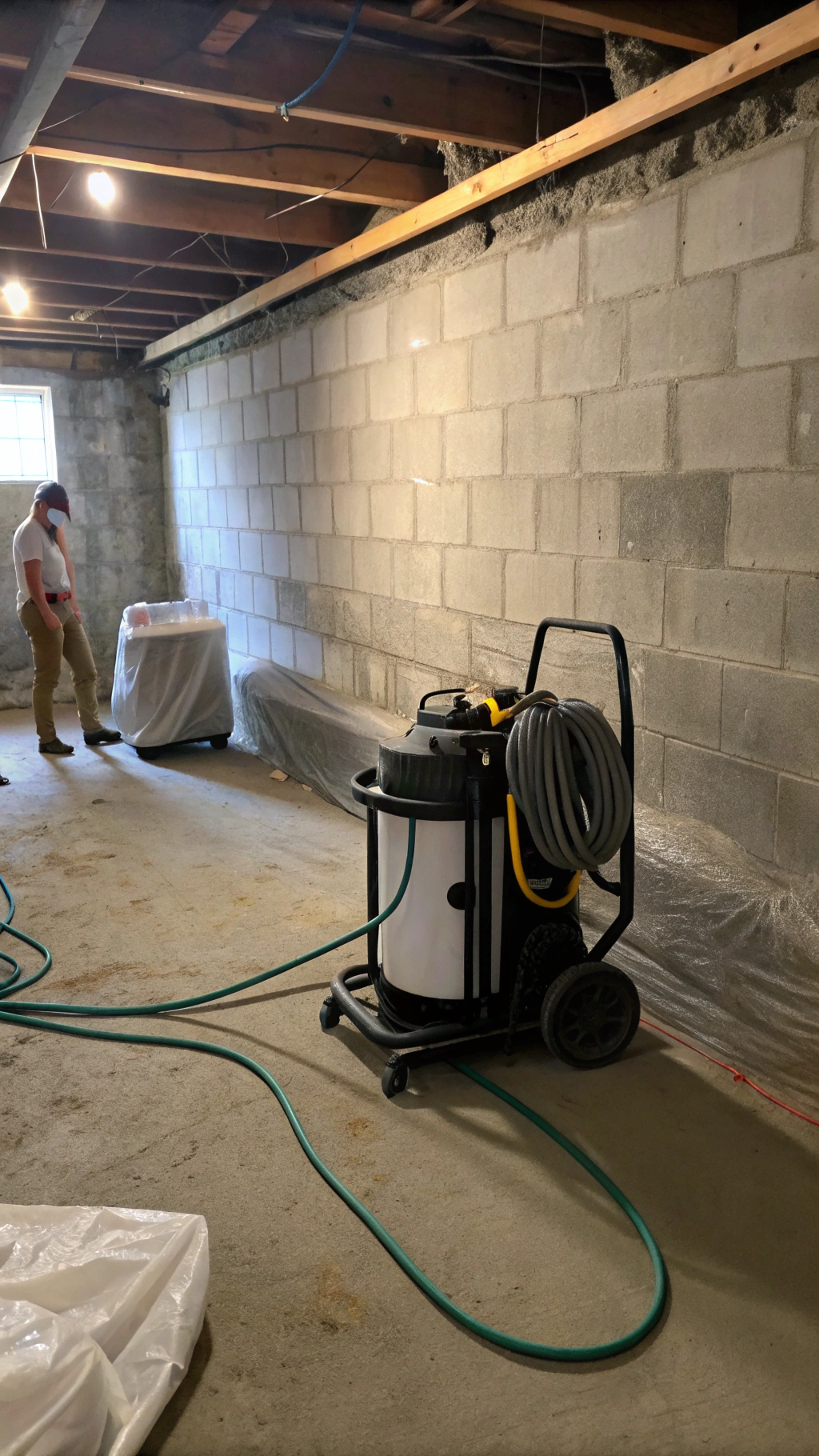
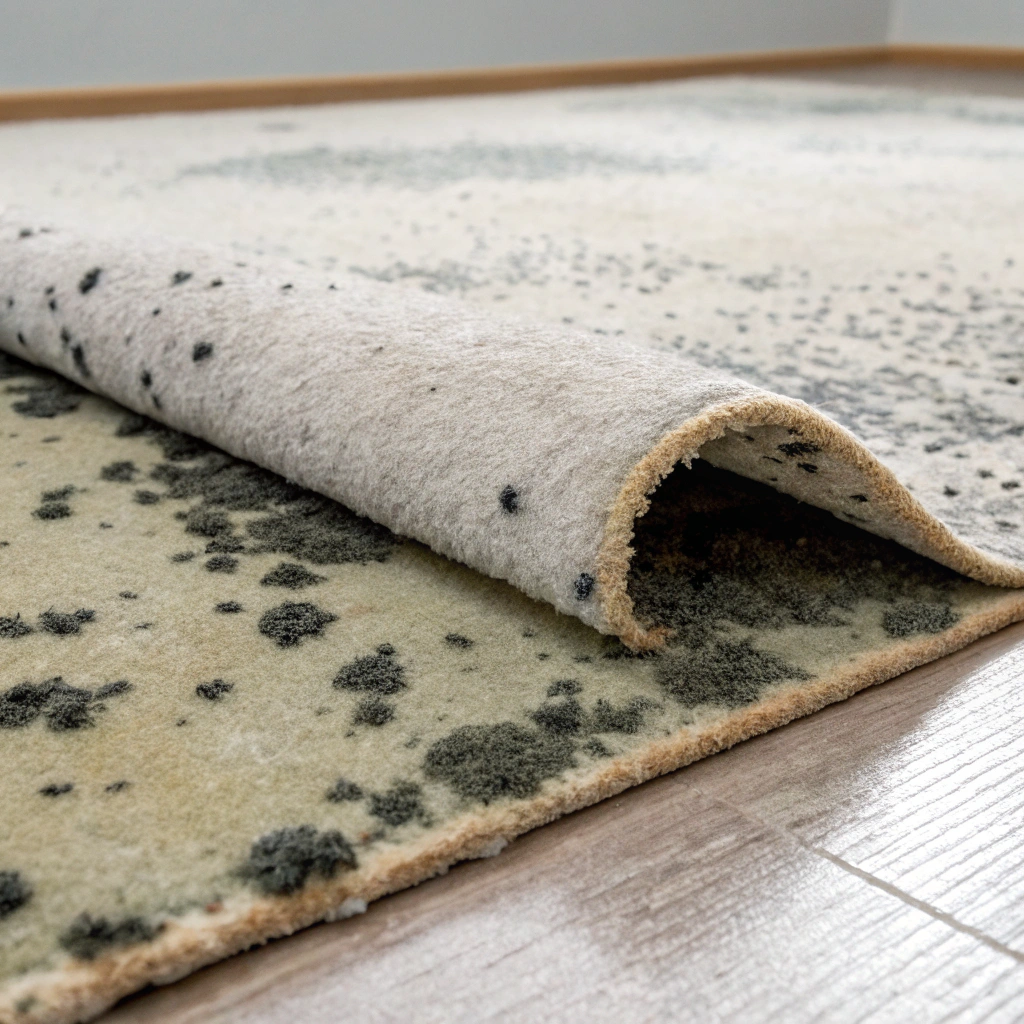
Many Central Coast homeowners don't realise their home and contents insurance policy may cover toxic mould remediation costs — but only when the mould has resulted from a sudden and accidental water damage event. Think burst pipes, storm damage, or a roof penetration from a severe weather event. Gradual leaks and maintenance-related moisture issues are typically excluded, but sudden events often aren't.
We work alongside insurance assessors regularly, providing the documentation, testing results, and detailed scope of works reports needed to support a successful claim. If you're unsure whether your situation is likely to be covered, we can help you understand what documentation you'll need before you lodge.
Getting the paperwork right from the start significantly improves your chances of a smooth claims process — and our certified completion reports are specifically structured to meet insurer requirements.
For strata committees and commercial landlords on the Central Coast, toxic mould isn't just a property management problem — it creates direct workplace health and safety obligations and significant liability exposure.
Under Work Health and Safety legislation, a commercial building operator who is aware of toxic mould contamination and fails to act is potentially liable for harm caused to occupants, tenants, or employees. The same principle applies to strata committees where mould in common property or lot boundaries has been reported and not addressed through a documented, certified process.
We provide strata and commercial clients with the full documentation trail required to demonstrate due diligence — assessment reports, species identification, scope of works, post-remediation clearance certification, and ongoing prevention recommendations. If you manage strata or commercial property on the Central Coast and you've received a mould complaint, the right response is a documented one.
Standard mould removal addresses surface-level growth, typically in a single location, using cleaning agents and basic protective equipment. Toxic mould remediation is a structured, multi-stage process that includes pre-work testing, full containment, species-specific treatment, removal of contaminated materials, and independent clearance testing. It's the appropriate response when contamination is deep, widespread, or involves species capable of producing mycotoxins.
In most cases involving serious toxic mould contamination, yes — occupants will need to vacate during active remediation work. The duration depends on the scope and severity of the contamination. For a contained affected area, that might be one to two days. For whole-property contamination, it can be longer. You'll receive a clear timeline before work begins.
Soft furnishings, clothing, and porous belongings in heavily contaminated areas may need to be assessed and in some cases discarded if they've absorbed significant spore or mycotoxin contamination. Hard surface items can generally be cleaned and treated. We'll assess what's in the affected space and give you honest guidance on what can be saved and what can't.
Not until clearance testing confirms it is. Post-remediation air and surface sampling is conducted after work is complete, and re-entry is confirmed once results come back within acceptable limits. We won't clear a property for re-occupancy based on visual inspection alone.
The certified completion report, backed by independent clearance testing results, is your confirmation. Spore counts, species identification, and surface sampling results are all documented. If clearance testing doesn't pass, we go back in — the job isn't finished until the numbers say it is.
GHL form embed — pending