
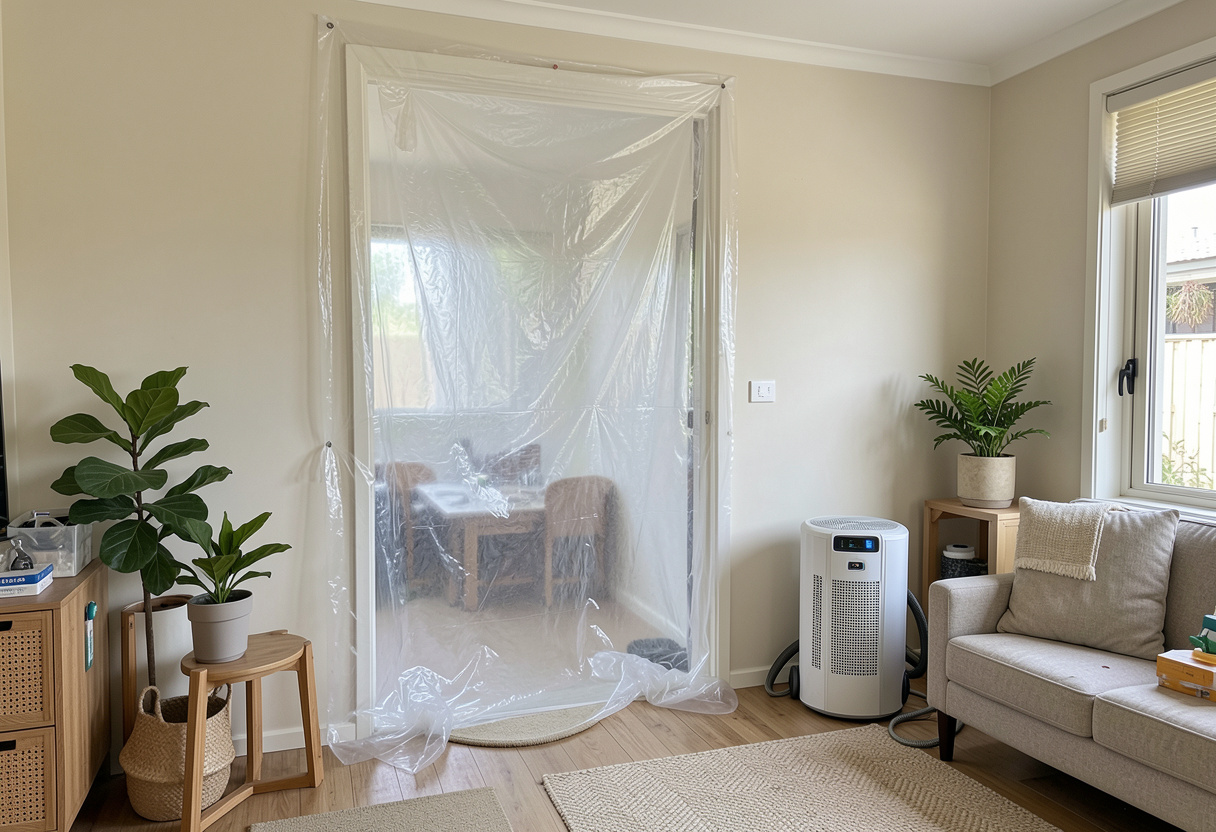
Mould removal on the Central Coast isn't a once-off job you can sort with a spray bottle and a bit of elbow grease — and if you've already tried that, you've probably worked out the hard way that it just comes straight back. We've been clearing mould out of homes right across the Coast for years, from the older fibro places around Woy Woy and Ettalong through to family homes in Terrigal, Gosford, Wyong and The Entrance.
The coastal humidity, the ageing housing stock, the storms that push moisture into walls and subfloors — it all makes this region one of the mouldiest corners of NSW, and we know exactly what we're dealing with. When you call us in, we don't just wipe the surface and leave. We find where the mould's coming from, treat it properly, and protect the area so your home is safe, healthy and sorted for good.
CALL (02) 4307 5006 NOWGHL form embed — pending

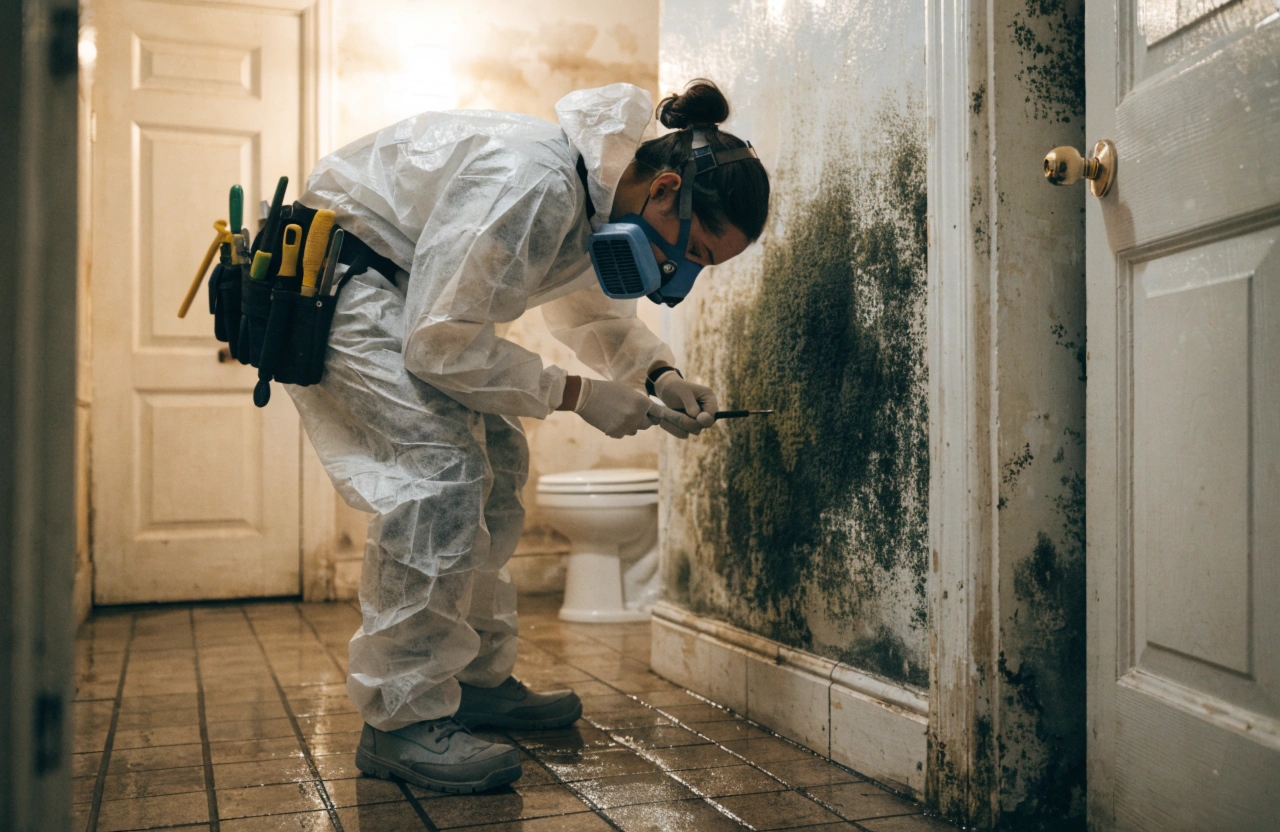
Bathrooms cop it worse than anywhere — constant steam, not enough airflow, and water sitting in grout and silicone. Mould loves the ceiling above the shower, the corners, and behind tiles where you can't even see it building up.
Ceiling mould usually means moisture from above — a roof leak, condensation, or a bathroom exhaust venting into the cavity instead of outside. Those dark blotchy patches spread fast, and painting over them just hides the problem temporarily.
Mould on walls often points to something behind the plasterboard — rising damp, a hidden leak, or cold surfaces collecting condensation through winter. By the time it shows on the surface, there's usually more going on inside the wall cavity.
Subfloors are out of sight and out of mind, which is exactly why mould thrives down there. Poor ventilation, damp ground, and water pooling after rain create the perfect home for it — and it can quietly rot your timber framing.
Crawl spaces trap moisture and stay dark and still, so mould settles in and stays. Left alone it affects air quality through the whole house, since air from down there gets drawn up into your living areas.
Roof cavities suffer from condensation, leaks, and trapped heat and moisture. Mould up here can spread to insulation and ceiling timbers, and because you rarely go up there, it's often well established before anyone notices the smell or staining.
There's a big gap between giving a patch of mould a wipe and actually getting rid of it. Most people start with bleach or a supermarket spray, the mould disappears for a few weeks, then it's back in the same spot — usually bigger. That's because surface cleaning only kills what you can see. It doesn't touch the spores in the air, and it does nothing about the moisture feeding the problem underneath.
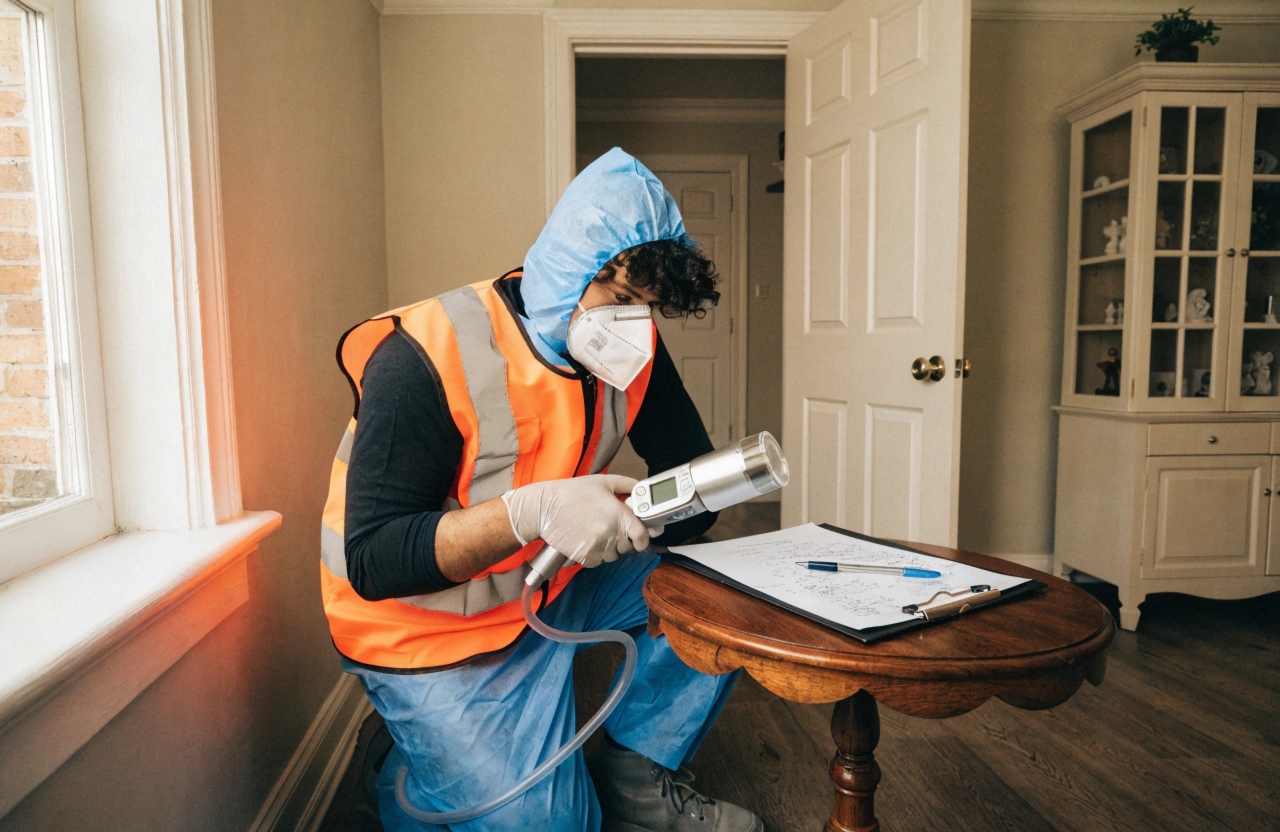
Proper mould removal works on four fronts. First, spore containment — we seal off the affected area so spores aren't spreading through the rest of your home while we work. Second, surface treatment — we don't just bleach it, we use the right antimicrobial products to kill the mould at the root and lift it out of the material. Third, and this is the bit DIY can't do, source identification — we track down where the moisture's actually coming from, whether that's a leaking pipe, poor subfloor ventilation, condensation, or water getting in after a storm. And fourth, post-removal protection — we treat the cleared area so it's far harder for mould to take hold again.
If you've already had a go yourself and watched it come straight back, this is the bit you've been missing. You can't fix a moisture problem with a cloth.

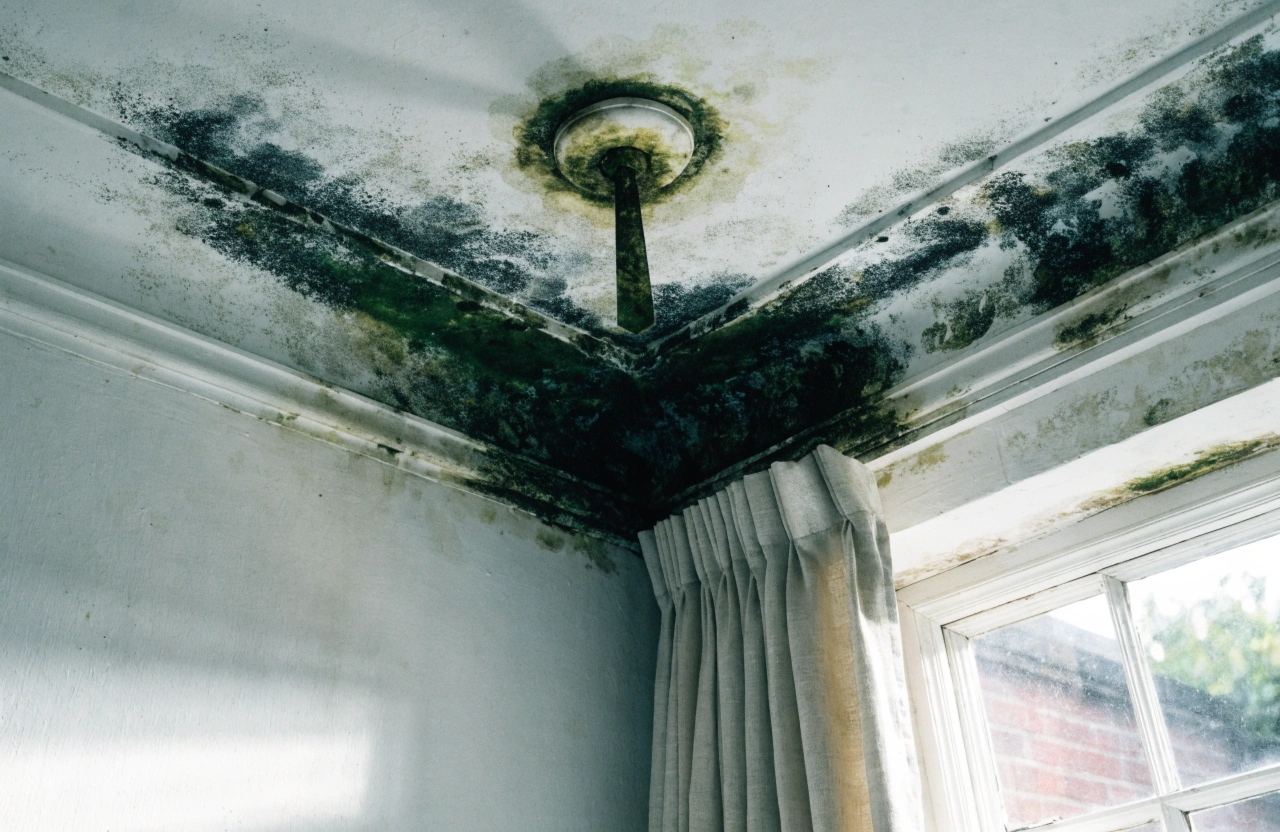
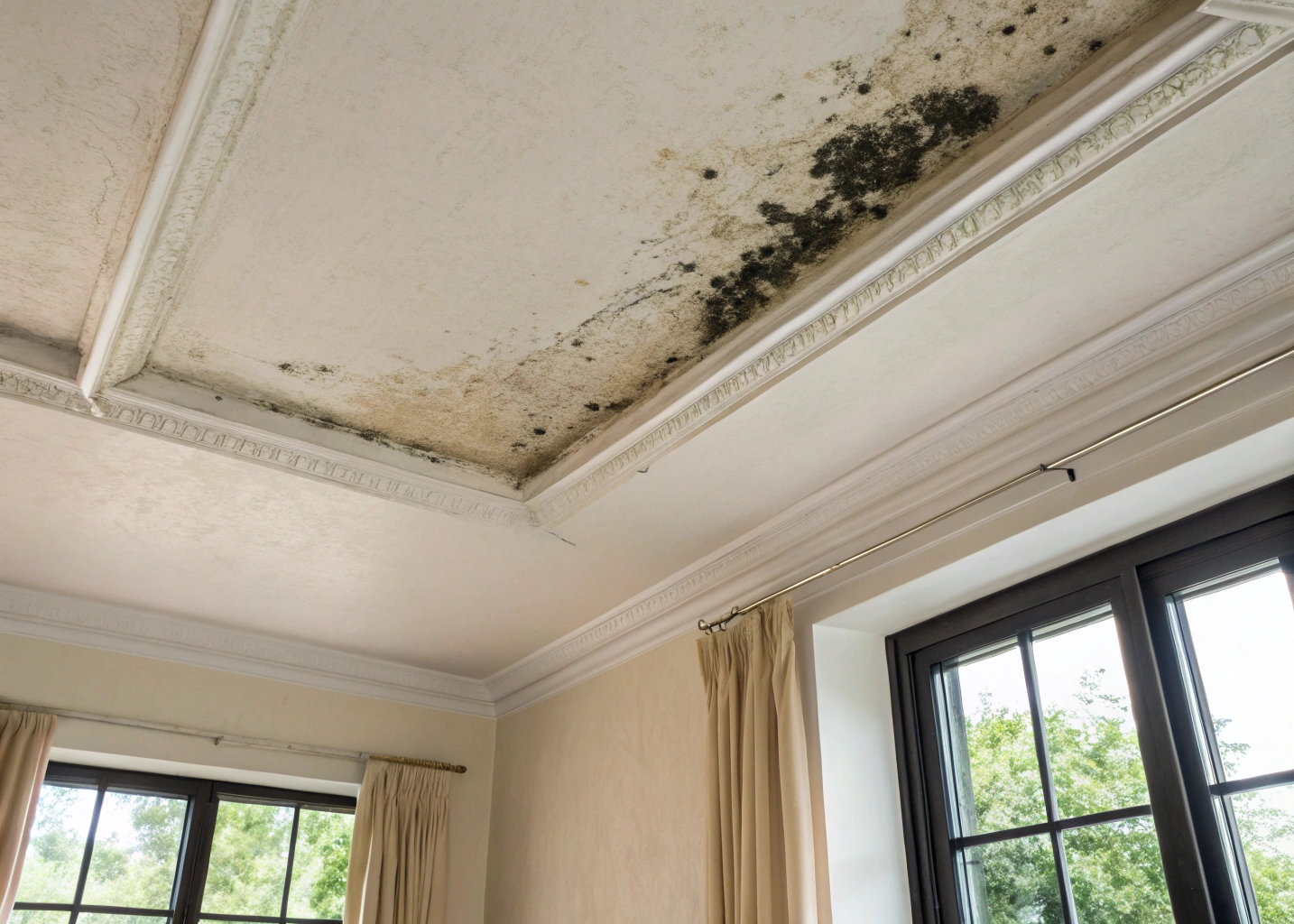
Mould isn't just an eyesore on the ceiling — it affects the air everyone in the house is breathing. For a lot of people the first signs are easy to brush off: a runny nose that won't shift, itchy eyes, a bit of a cough, sinus trouble that keeps hanging around. Living in a mouldy home can bring on respiratory irritation and allergic reactions, and for some people it triggers asthma or makes existing asthma worse.
Not everyone reacts the same way, though. Young kids, elderly residents, and anyone with a compromised immune system are far more sensitive to mould exposure, and the effects can be more serious for them. If you've got little ones at home or you're caring for an older family member, this is the part that usually tips people from "I'll get to it eventually" into picking up the phone.
The point isn't to scare you. It's just that mould is one of those problems where leaving it for another six months genuinely makes things worse — for your home and for the people in it. Getting it dealt with properly takes that worry off the table.
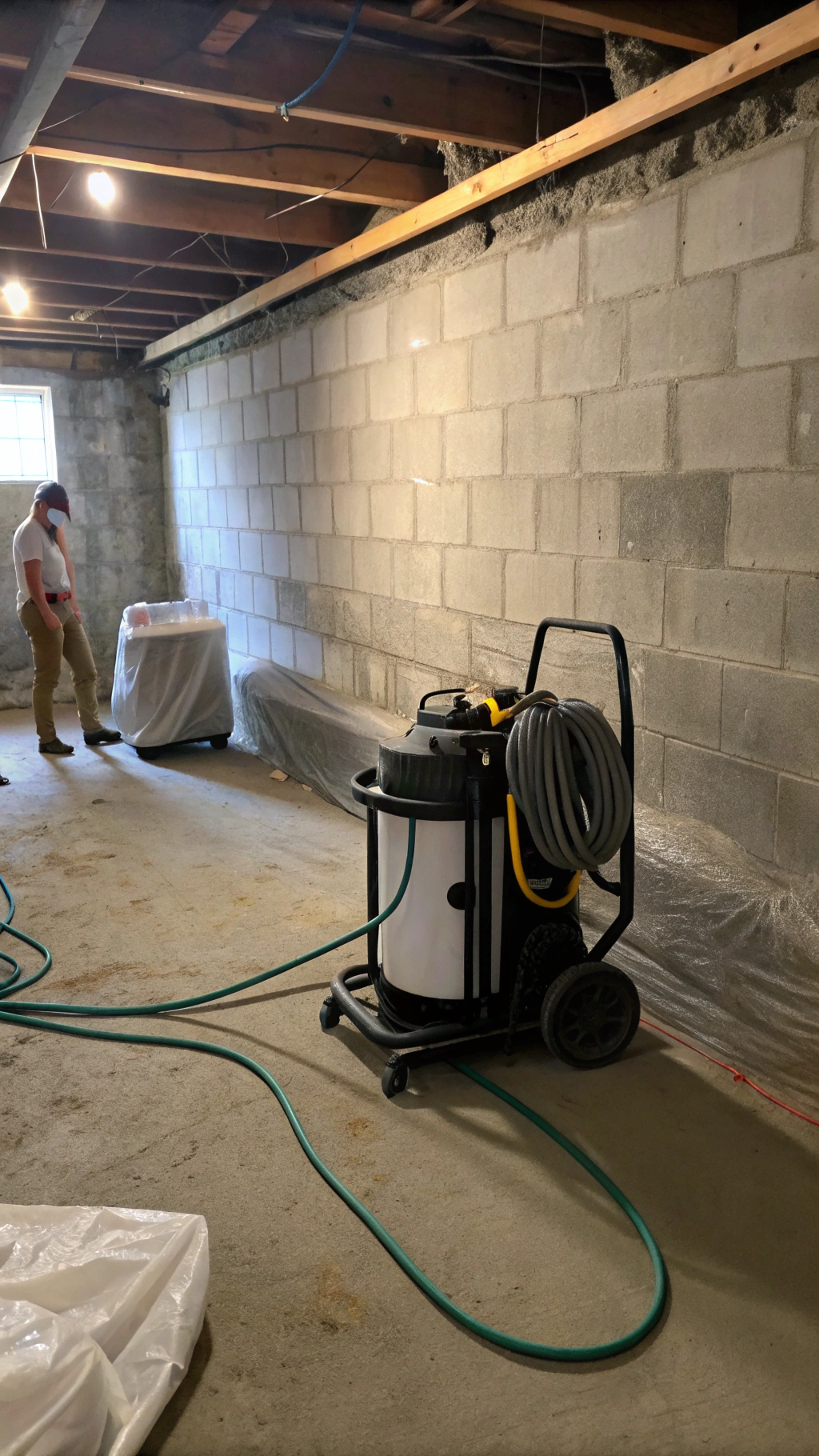
We keep the process clear so there are no surprises along the way. Here's how a typical job runs from start to finish.
Mould in a rental is its own kind of headache. With a big chunk of Central Coast housing being rented, we deal with these situations regularly — and they often come with disagreements about who's responsible and what has to happen next. Under NSW tenancy law, mould caused by issues with the property is the landlord's problem to fix, while mould from how the place is being lived in can fall to the tenant. That line isn't always obvious, which is where things get tense.
We can help take the heat out of it. Whether you're a landlord wanting the issue sorted properly and on the record, or a tenant trying to get something done, we provide written reports and documentation following the removal work. That gives both sides a clear, professional account of what the problem was, what was done about it, and the condition of the property afterwards — useful if it ever goes to Fair Trading or tribunal.
Don't sit on it and hope it goes away — mould only gets worse the longer it's left, and so does the bill to fix it. If you've spotted mould in your home, or you've already tried clearing it yourself and watched it creep back, give us a call. We'll come out, work out exactly what's going on, and sort it properly so you can stop worrying about it.
Call now for fast, professional mould removal on the Central Coast.
CALL (02) 4307 5006 NOWMost standard jobs are knocked over in a day, sometimes two. It really comes down to how widespread the mould is and whether we need to open up walls or treat a subfloor. After our initial inspection I can give you a realistic timeframe before any work starts, so you're not left guessing.
For most jobs, no — you can stay put while we work, since we seal off the affected area to keep everything contained. For bigger jobs or where someone in the home is particularly sensitive to mould, I might recommend keeping clear of the work zone for a bit. I'll always let you know upfront.
Honest answer — it depends on the size of the area, how bad the mould is, and whether we need to get into walls or subfloors to fix the source. Every job's different, which is why I quote after seeing it rather than throwing out a random number over the phone. You'll get a clear price before we start, with no surprises on the invoice.
Not if it's done properly. The reason mould keeps returning after DIY is that the moisture causing it is still there. Because we track down and address the source — not just the surface growth — and apply protective treatment afterwards, professionally treated areas stay clear. That's the whole difference between a quick wipe and a real fix.
People use the terms loosely, but there's a difference. Removal is getting rid of the mould you can see and treating those surfaces. Remediation is the bigger picture — finding and fixing the underlying moisture problem, protecting the area, and making sure it doesn't come back. Good professional work covers both, which is exactly how we approach every job.
GHL form embed — pending