
Post-Mould Treatment Cleaning on the Central Coast
Professional post-mould treatment cleaning on the Central Coast.
- Fully Documented Remediation Reports
- Pre & Post Air Quality Testing
- Central Coast Local Specialists
- Same/Next-Day Response
Get Your Free Quote

Mould remediation gets the mould out. But when the remediation team packs up and leaves, your Central Coast property isn’t clean — it’s treated. There’s a difference, and it matters.
When remediation is done, what’s left behind includes chemical residues on surfaces, settled dust and particulates, containment adhesive marks, and disturbed soft furnishings. None of that gets addressed by the remediation process itself.
Post-mould treatment cleaning is what comes next. It’s the cleaning stage that prepares your property for re-occupancy — whether that’s your family moving back in, a tenant returning, or a property manager signing off.
We provide post-mould treatment cleaning across the Central Coast — Gosford, Terrigal, Wyong, The Entrance, and Woy Woy — as a standalone service or as part of a full mould recovery package.
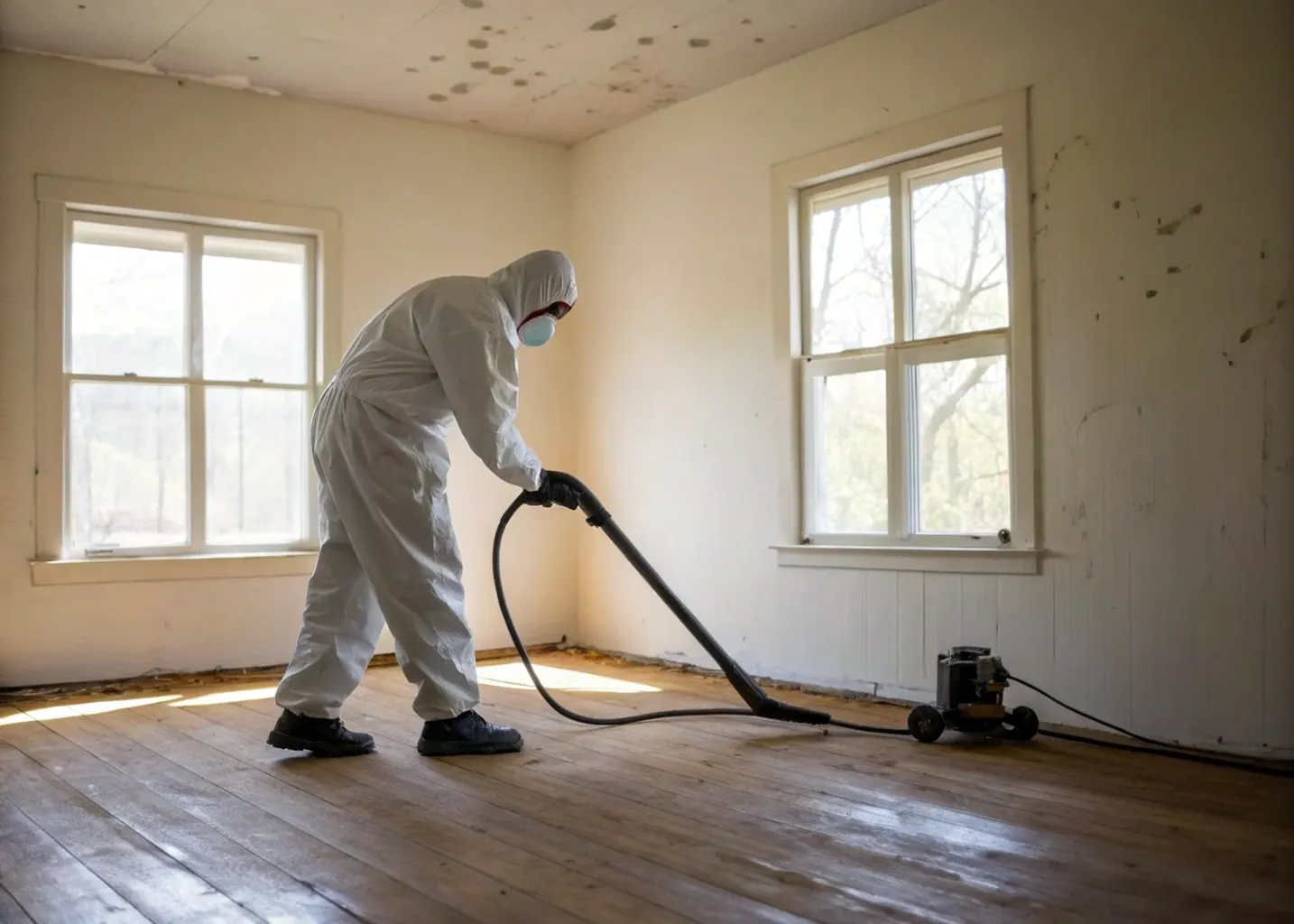
What is post-mould treatment cleaning?
Post-mould treatment cleaning is the professional cleaning stage that follows mould remediation on a residential or commercial property. Once remediation is complete, surfaces have been treated but the property is not yet clean or ready for re-occupancy. Post-mould treatment cleaning addresses what remediation leaves behind:
- Biocidal treatment chemical residues on walls, floors, and surfaces
- Settled mould spores and microscopic particulates disturbed during remediation
- Containment sheeting adhesive residue and remediation debris
- Soiled flooring and soft furnishings from equipment and foot traffic
HEPA vacuuming, surface wiping, and hard floor or carpet cleaning return the property to a genuinely clean and safe standard — confirmed by post-clean air quality assessment before occupants re-enter.
CALL (02) 4307 5006 NOWWhat Post-Mould Treatment Cleaning Involves
Post-mould treatment cleaning follows a clear process. Here’s what we cover on every job.
Surface Cleaning and Chemical Residue Removal
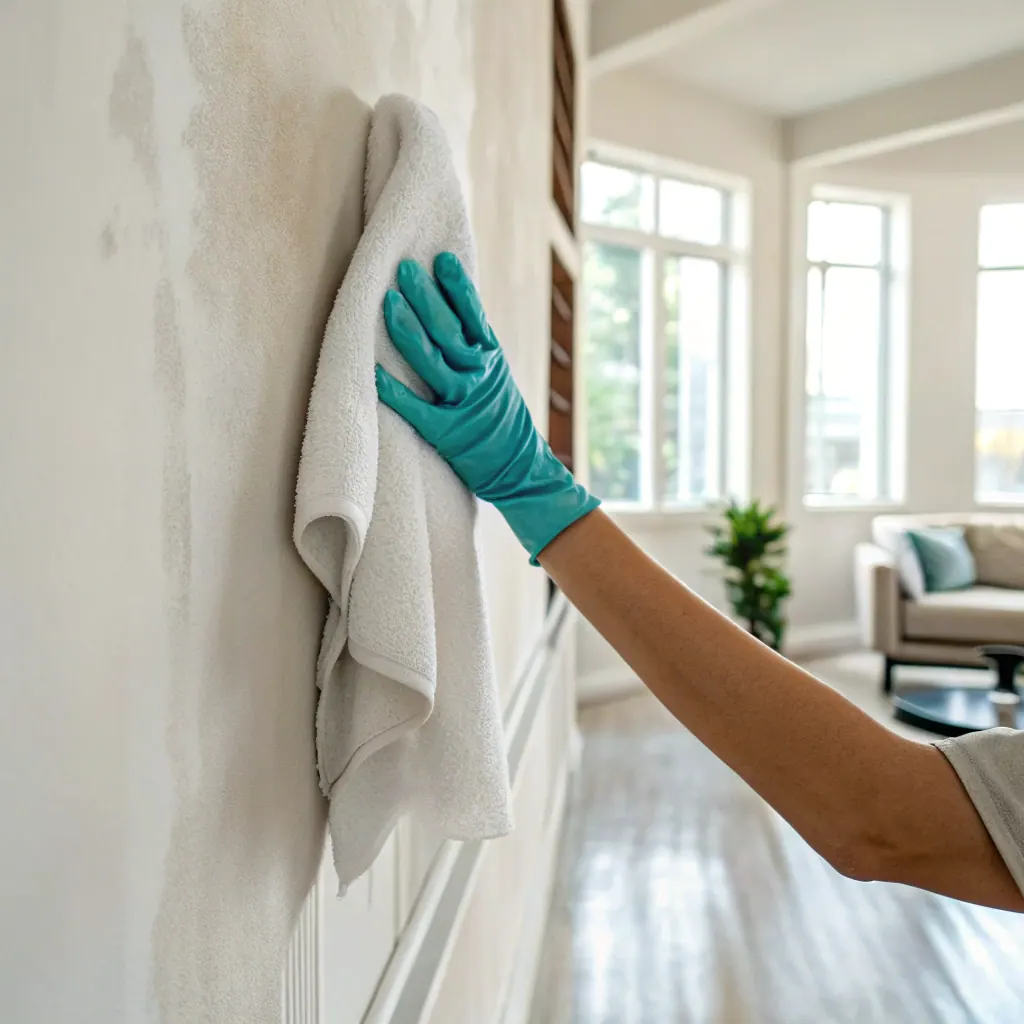
Biocidal products used during remediation are designed to kill mould at a surface level. They do the job they’re meant to do — but they leave residue behind. That residue isn’t harmful, but surfaces that have been treated aren’t the same as surfaces that are clean. We wipe down all treated surfaces methodically — walls, ceilings, benchtops, shelving, and fixtures — so what you’re left with is a property that’s genuinely clean, not just treated.
HEPA Vacuuming and Particulate Capture
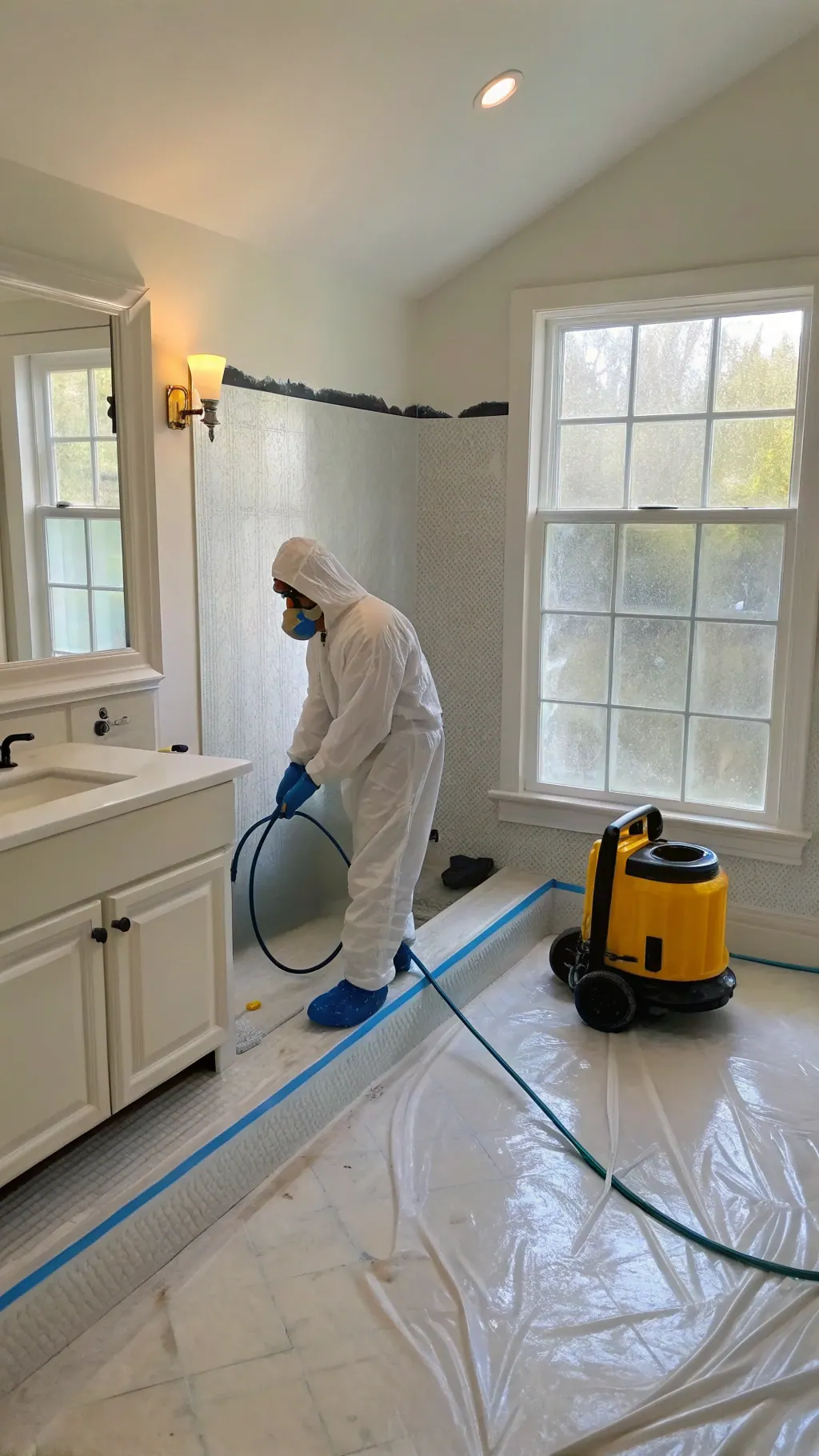
Standard vacuuming pushes microscopic particles back into the air. That’s not good enough after a remediation job. We use HEPA-rated equipment that captures particles down to 0.3 microns — covering all horizontal surfaces, flooring, and soft furnishings in affected areas. Any particulates disturbed during remediation that have settled throughout the space get picked up properly, not redistributed.
Floor, Wall and Containment Residue Cleaning
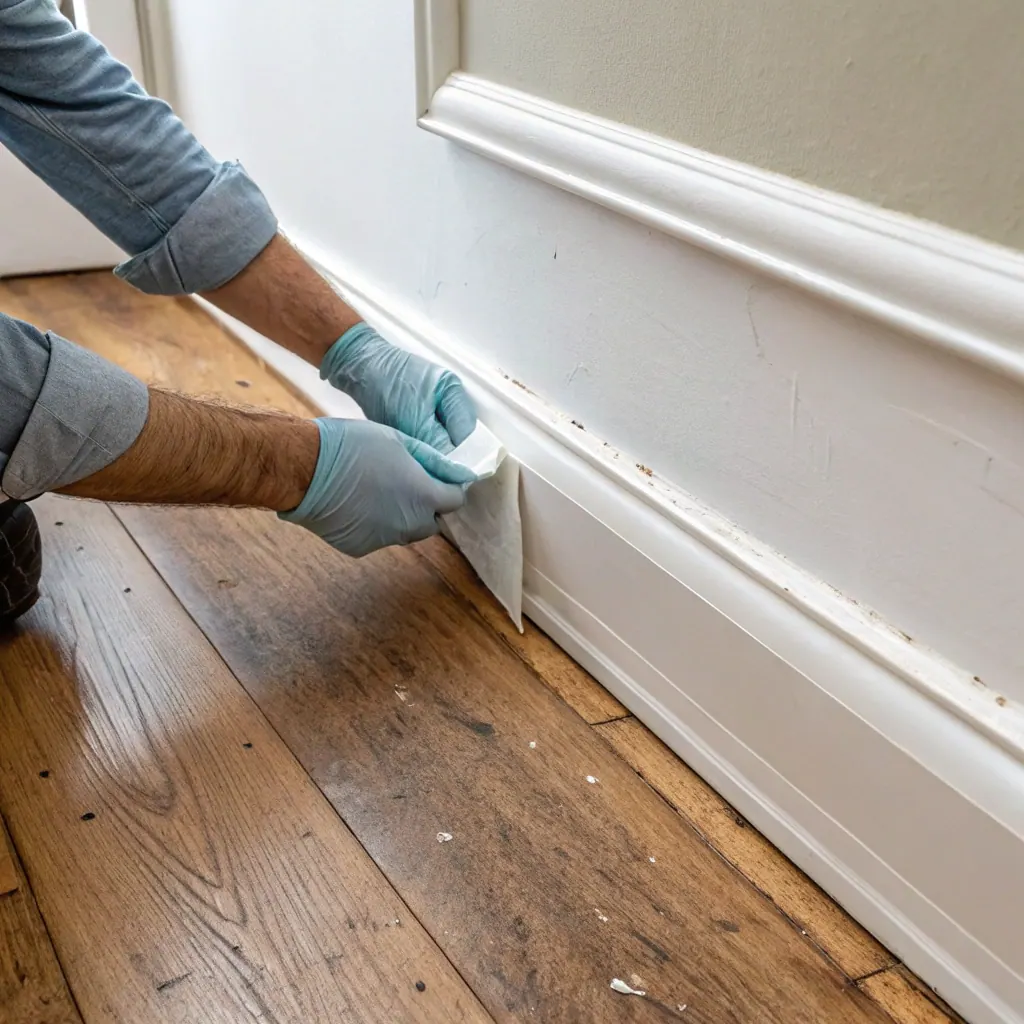
Remediation work is physical work. By the time the crew leaves, there’s foot traffic damage on flooring, adhesive marks from containment tape, residue from barrier sheeting, and contact marks from equipment. We clean all of it — hard floors, carpet, skirting boards, and wall surfaces — so the property looks like a cleaned space, not a worksite.
Why Remediation Alone Doesn't Leave Your Property Clean
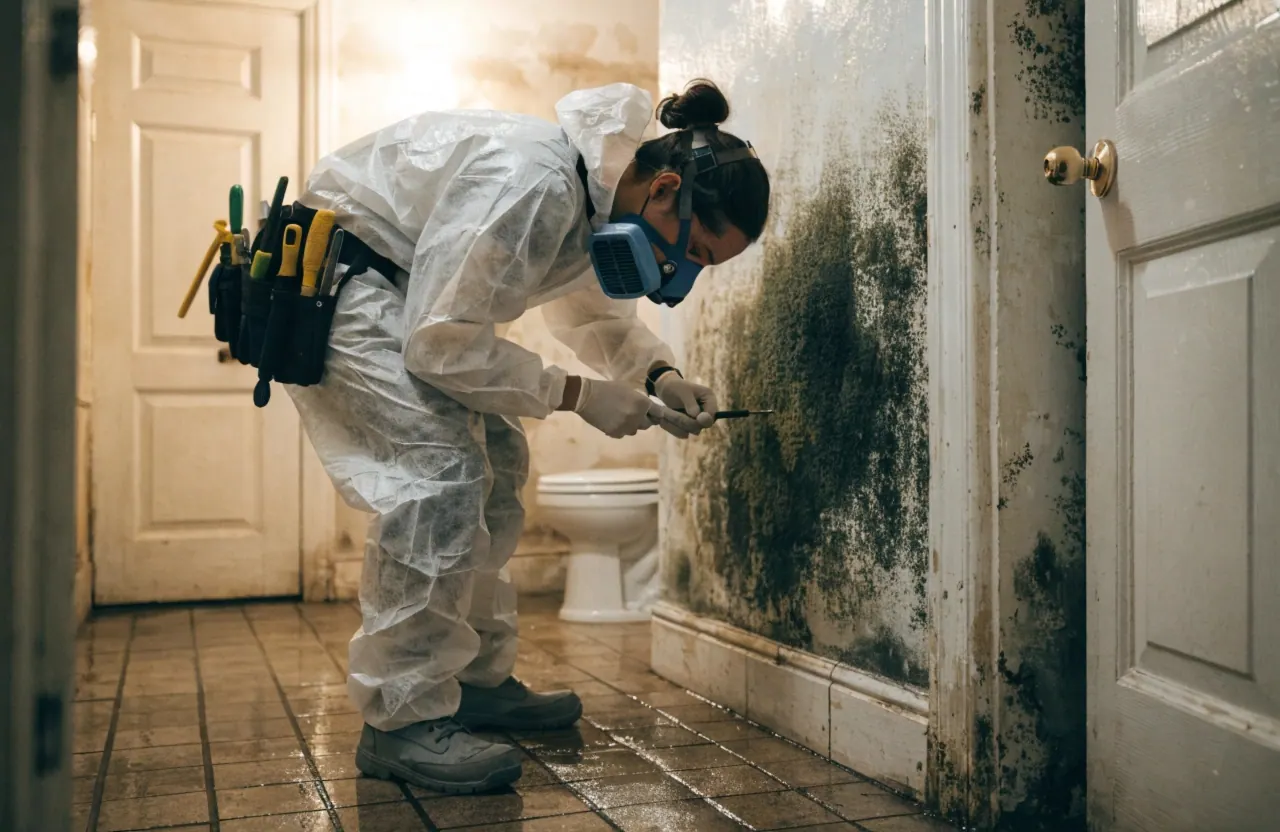
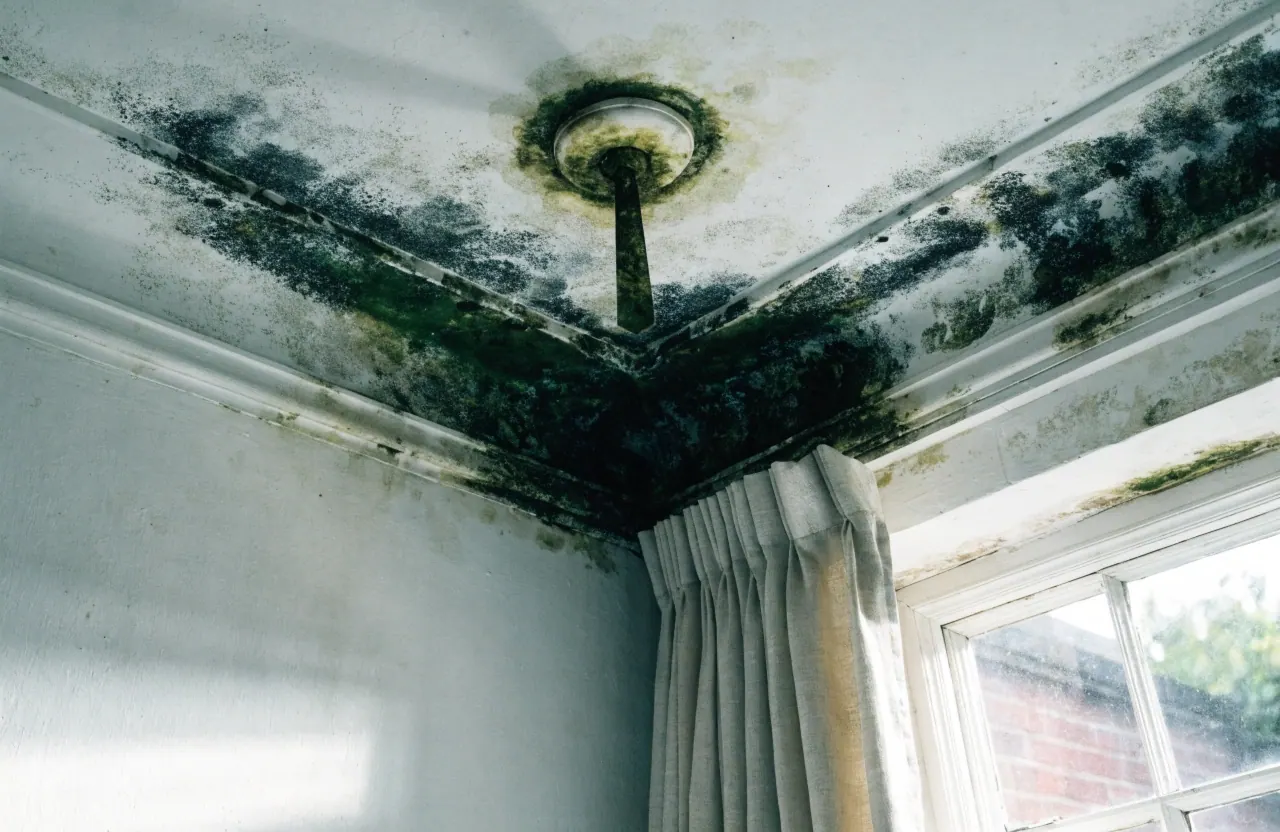
Remediation is a controlled disturbance process — not a cleaning process. That distinction matters before you assume a remediated property is move-back-in ready.
When a remediation crew works through a mould-affected space, they’re focused on one thing: removing the mould safely and treating affected materials. Containment sheeting, negative air pressure equipment, biocidal products, physical removal of affected material — that’s the job, and it’s what needs to happen.
But none of it is cleaning. When the crew packs up, what’s left is a space that has been remediated — not a space that’s been cleaned. Residues, particulates, debris, and disturbance marks remain throughout the affected area.
Remediation and post-mould treatment cleaning are separate jobs with separate purposes. One gets the mould out. The other gets the property ready for people.
Health and Safety Rationale for Post-Treatment Cleaning
Containment manages spore spread during remediation works — but not after. Once the containment comes down and equipment is removed, microscopic particulates that were disturbed during the process settle throughout the affected area. These particles aren’t visible to the naked eye, and they don’t disappear on their own. Without proper post-treatment cleaning using HEPA-rated equipment, those particulates remain on surfaces, flooring, and soft furnishings — and get disturbed again the moment someone moves back in.
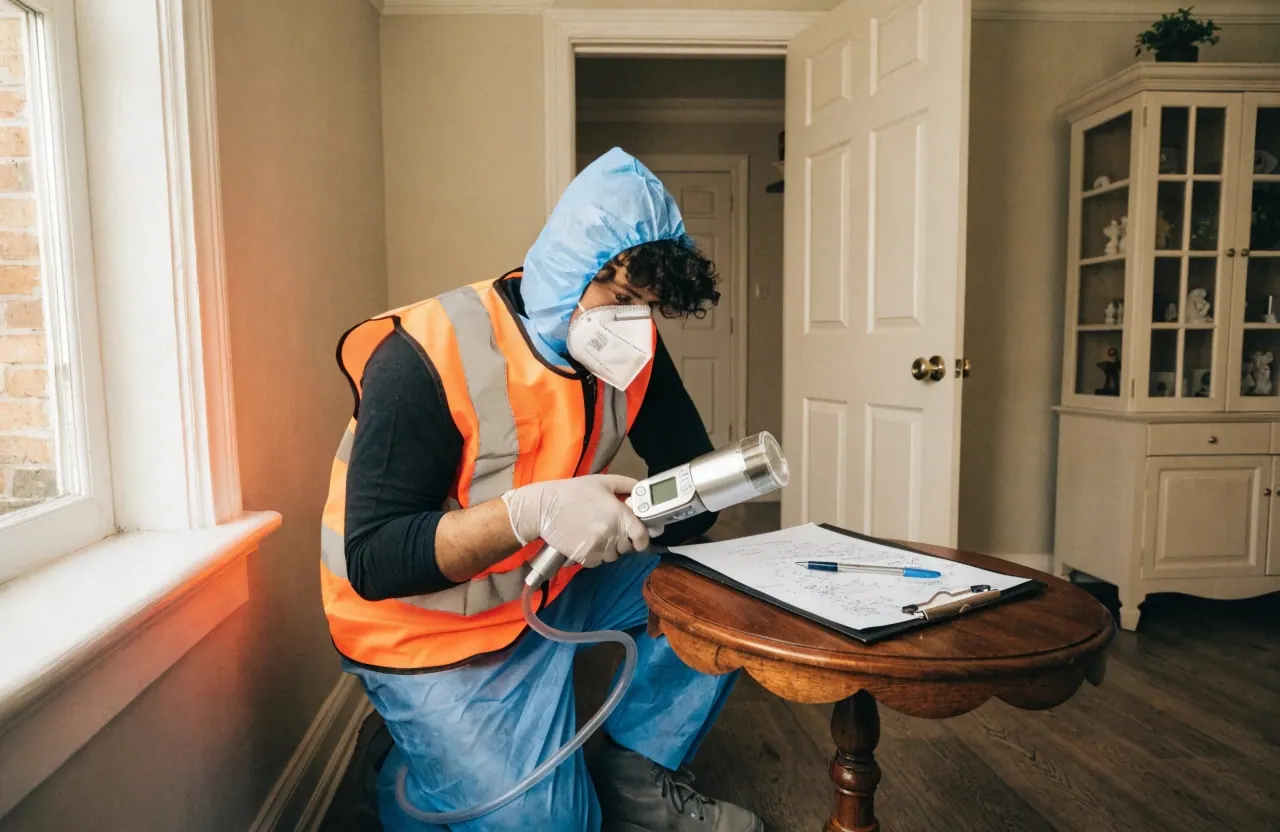
The question we hear most often after a remediation job is: is it actually safe to go back in? The honest answer is that you can’t know without testing. Following our post-mould treatment clean, we carry out an air quality assessment that confirms airborne spore counts are at acceptable indoor standards before anyone re-enters the property. That assessment is your sign-off — documented confirmation that the space is clean, safe, and ready for occupancy. It’s not just peace of mind. It’s proof.
Properties and Scenarios We Service on the Central Coast
Residential Properties: Most of our post-mould treatment cleaning work involves families returning home after displacement. Whether remediation covered a single bedroom or a whole-home project, we clean the affected areas and confirm the property is safe before your family walks back in.
Rental Properties: Post-mould treatment cleaning returns the property to a safe standard for a returning or incoming tenant, and gives landlords documented evidence that the property was professionally prepared — a paper trail that protects everyone.
Strata Apartments: Water ingress in strata properties often affects multiple lots at once. We return affected spaces to a habitable standard with documentation that satisfies body corporate requirements and gives lot owners something concrete to show their strata manager.
Commercial Properties: Offices, retail spaces, and hospitality venues can’t reopen until the environment is clean and safe. We work around your schedule and provide documentation confirming the space is re-occupancy ready.
Documentation and the Mould Recovery Paper Trail
Every stage of a professional mould recovery job should be documented — and post-mould treatment cleaning is no exception.
The full chain looks like this:
- Inspection and assessment
- Air quality and surface testing
- Remediation
- Post-mould treatment cleaning
- Clearance testing and report
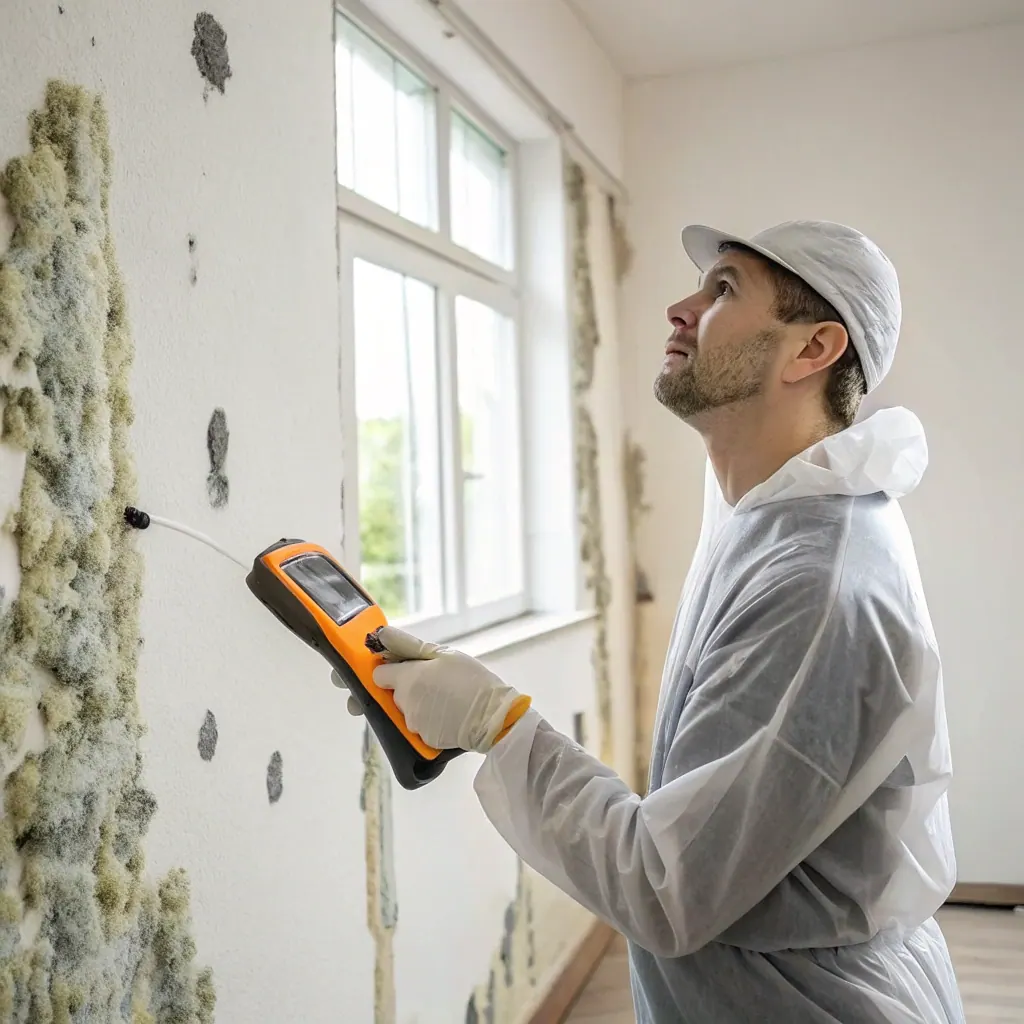
When we complete a post-mould treatment clean, we provide a completion report with photographic evidence. That document matters for insurance claims, property transactions, tenancy disputes, strata records, and property manager sign-offs. It’s not admin — it’s proof that your property was professionally cleaned and prepared after remediation.
A Note for Property Managers and Landlords
If you manage rental properties on the Central Coast, post-mould treatment cleaning does one thing above everything else — it returns the property to a lettable standard with documented evidence to back it up.
That documentation protects your position with an incoming tenant from day one. It satisfies your duty of care as a property manager. And if a tenancy dispute ever lands at Fair Trading or tribunal, a professional completion report is a lot more useful than a verbal assurance that the property was cleaned.
We work quickly, we document everything, and we turn properties around fast. If you need a Central Coast rental returned to a safe and lettable standard after a mould job, call us directly.
Post-Treatment Cleaning vs Clearance Testing — What's the Difference?
These are two distinct services that are often confused — and both are necessary.
Post-Treatment Cleaning
- What it is
- Professional cleaning of the property following remediation
- What it addresses
- Physical cleanliness — residues, particulates, debris, disturbance marks
- Who conducts it
- Our cleaning team
- When it occurs
- Immediately following remediation
Clearance Testing
- What it is
- Microbiological sampling of air and surfaces
- What it addresses
- Confirms remediation was microbiologically successful
- Who conducts it
- Independent hygienist or our testing service
- When it occurs
- After post-treatment cleaning is complete
Clearance testing confirms the mould has been properly remediated at a microbiological level. Post-treatment cleaning confirms the property is physically clean and ready for people. One without the other leaves the job incomplete.
We coordinate both as part of our integrated post-remediation service — so you get a single managed process from remediation through to a confirmed, documented clearance.
Frequently Asked Questions
Why is post-mould treatment cleaning necessary after professional remediation?
Remediation removes and treats the mould — but it’s a disturbance process, not a cleaning process. When the remediation crew leaves, there are chemical residues, settled particulates, containment marks, and debris throughout the affected area. We clean all of that so the property is genuinely ready for people, not just treated.
Can occupants return to a property immediately after mould remediation?
Not until the property has been properly cleaned and air quality has been confirmed. We carry out an air quality assessment following our post-treatment clean to confirm airborne spore counts are at a safe indoor standard before anyone re-enters.
What does post-mould treatment cleaning involve beyond standard cleaning?
We use HEPA-rated vacuuming equipment that captures particles standard vacuums miss, wipe down all treated surfaces to remove chemical residues, and clean flooring, walls, and any containment marks left by the remediation process.
How long does post-mould treatment cleaning take for an average Central Coast property?
It depends on the size of the affected area and the scope of the remediation job. A single room can typically be completed in a few hours. A whole-home project may take a full day. We give you a clear timeframe before we start.
Is a post-treatment cleaning report needed for insurance or tenancy purposes?
In many cases, yes. We provide a completion report with photographic evidence at the end of every job. That report supports insurance claims, tenancy dispute documentation, property transactions, and strata records.
Do we need to leave the property during post-mould treatment cleaning?
In most cases, yes — at least for the duration of the clean. We’ll confirm this when we assess your property. Once cleaning is complete and air quality is confirmed safe, occupants can return.
What's the difference between post-mould treatment cleaning and a standard house clean?
A standard clean isn’t equipped for a post-remediation environment. We use HEPA-rated equipment, follow a structured process specific to remediation sites, and provide documented confirmation that the property meets a safe re-occupancy standard. That’s not something a general cleaning service can provide.
Do you service rental properties and strata apartments on the Central Coast?
Yes. We work with landlords, property managers, and body corporates across the Central Coast. We understand the documentation requirements for tenancy and strata situations and provide the reports you need to close out the job properly.
Can you coordinate post-treatment cleaning and clearance testing together?
Yes. We offer both as part of an integrated post-remediation service. Rather than managing two separate providers, we handle the full process — cleaning, air quality assessment, and clearance documentation — so you get one point of contact and a complete paper trail.
Ready to Move Back In?
Whether you’re a homeowner waiting to get your family back into the house, a landlord needing a rental turned around, or a property manager closing out a mould job, we’re ready to help.
We service the Central Coast from Gosford and Terrigal to Wyong, The Entrance, Woy Woy, Umina Beach, Tuggerah, and Avoca Beach — with same-day and next-day availability where possible.
Call us on 02 4307 5006
- Call or enquire
- We assess and schedule
- Property cleaned, documented, and ready
For a complete mould recovery package — inspection, remediation, post-treatment cleaning, and clearance testing managed as a single process — get in touch and we’ll talk you through the options.