Insulation replacement after mould is one of the most frequently required — and most frequently overlooked — steps in a complete mould remediation project on the Central Coast. Ceiling batts, wall cavity insulation, and subfloor insulation throughout this region are exposed year-round to elevated ambient humidity, persistent moisture, and the water damage events that drive mould growth deep into building fabric.
Glass wool and polyester insulation batts absorb and retain moisture readily. Once saturated, they sustain the high-humidity conditions that allow mould to colonise the batt material itself — and the structural timbers immediately surrounding it. Unlike hard building surfaces, contaminated insulation has no viable treatment pathway. The fibrous, porous structure makes complete decontamination impossible.
Replacement is the only professional standard response.
We carry out mould-affected insulation removal and replacement across the Central Coast — from Gosford and Terrigal through to Wyong, The Entrance, Tuggerah, and Woy Woy — as part of complete mould remediation and building restoration projects, or as a standalone service where insulation contamination has already been identified.
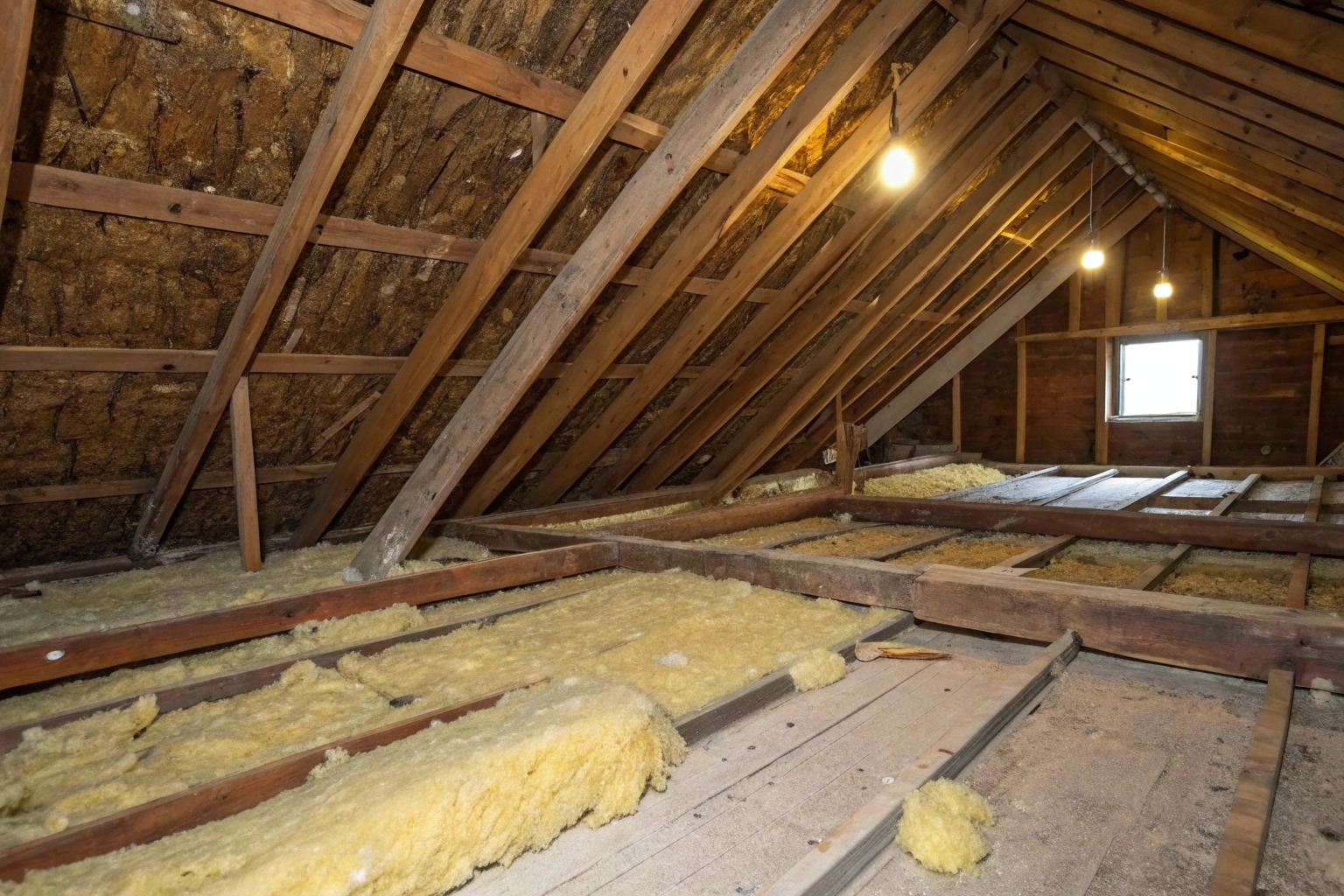
Mould-affected insulation appears in three primary locations across Central Coast properties, and each presents its own access challenges and contamination profile.
Ceiling Insulation
Roof leaks, condensation in poorly ventilated roof spaces, and water damage from burst pipes above are the most common causes. Ceiling batts saturate progressively — and the full extent of the damage is frequently not apparent until the batts are physically inspected. What looks like isolated staining from below can represent widespread contamination across the entire ceiling cavity.
Wall Cavity Insulation
External wall insulation is affected by water ingress through cladding failures, window seal failures, and rising damp. It is the most difficult insulation location to access and replace. In most cases, internal wall linings need to be removed to reach the cavity — making early identification and intervention significantly more cost-effective than delayed action.
Subfloor Insulation
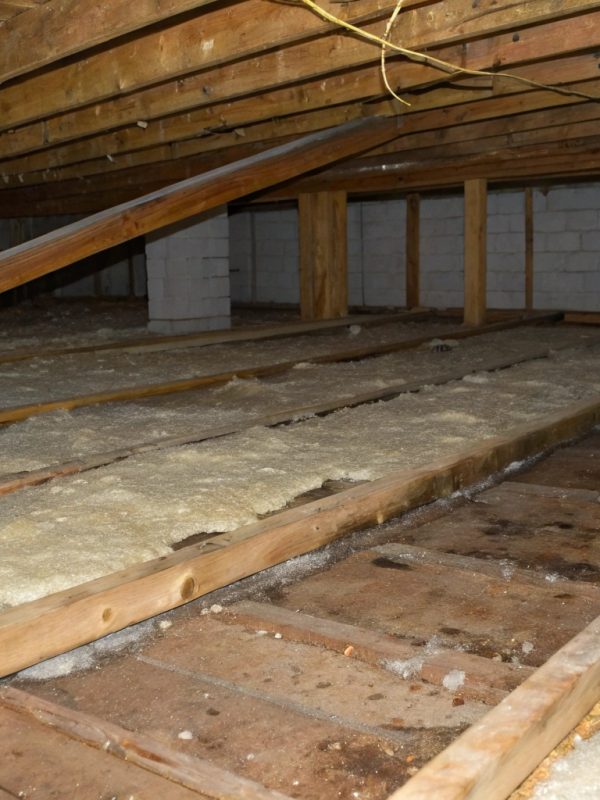
Beneath suspended timber floors, subfloor insulation is exposed to ground moisture rising into the subfloor space. Contaminated subfloor batts do two things simultaneously — they add to the ongoing moisture load in the subfloor environment, and they become a mould spore reservoir that supplies contamination directly into the living areas above. On the Central Coast, where low-lying suburbs around Tuggerah Lake and Brisbane Water experience regular inundation, subfloor contamination is an especially common finding.
CALL (02) 4307 5006 NOWA question we hear regularly — and one worth addressing directly — is whether mould-affected insulation can be treated with antimicrobial products rather than replaced. The answer is no, and the reason is straightforward.
Hard building surfaces — timber framing, plasterboard, concrete — can be treated with antimicrobial solutions that penetrate the surface and eliminate active mould colonisation. Insulation batts cannot. The fibrous, porous structure of glass wool and polyester insulation means that any surface treatment applied to the batt material remains exactly that — a surface treatment. Mould colonisation within the batt structure itself is unreachable, and the moisture retained deep within saturated batts continues to sustain active growth regardless of what is applied to the exterior.
There is no professional remediation standard that endorses treating contaminated insulation batts in place. Any operator offering to spray and retain mould-affected insulation is not delivering remediation — they are delivering a temporary cosmetic outcome that leaves the contamination source intact.
Retained contaminated insulation will:
Replacement is not the cautious option — it is the only option that resolves the problem.
Removing mould-affected insulation is not a general labouring task. The removal process itself carries significant contamination risk — and when it is carried out without appropriate precautions, it can spread mould spores throughout areas of the property that were previously unaffected.
Contaminated insulation batts must be handled with a specific protocol from the moment they are disturbed:
This protocol is a meaningful differentiator. Unqualified trades removing contaminated insulation without these precautions routinely create secondary contamination events — mould spore dispersal during removal that spreads contamination to ceiling surfaces, wall linings, and living areas well beyond the original affected zone.
When we carry out insulation removal on the Central Coast, the removal process is treated as an integral part of the remediation — not a preliminary demolition task handed to whoever is available.
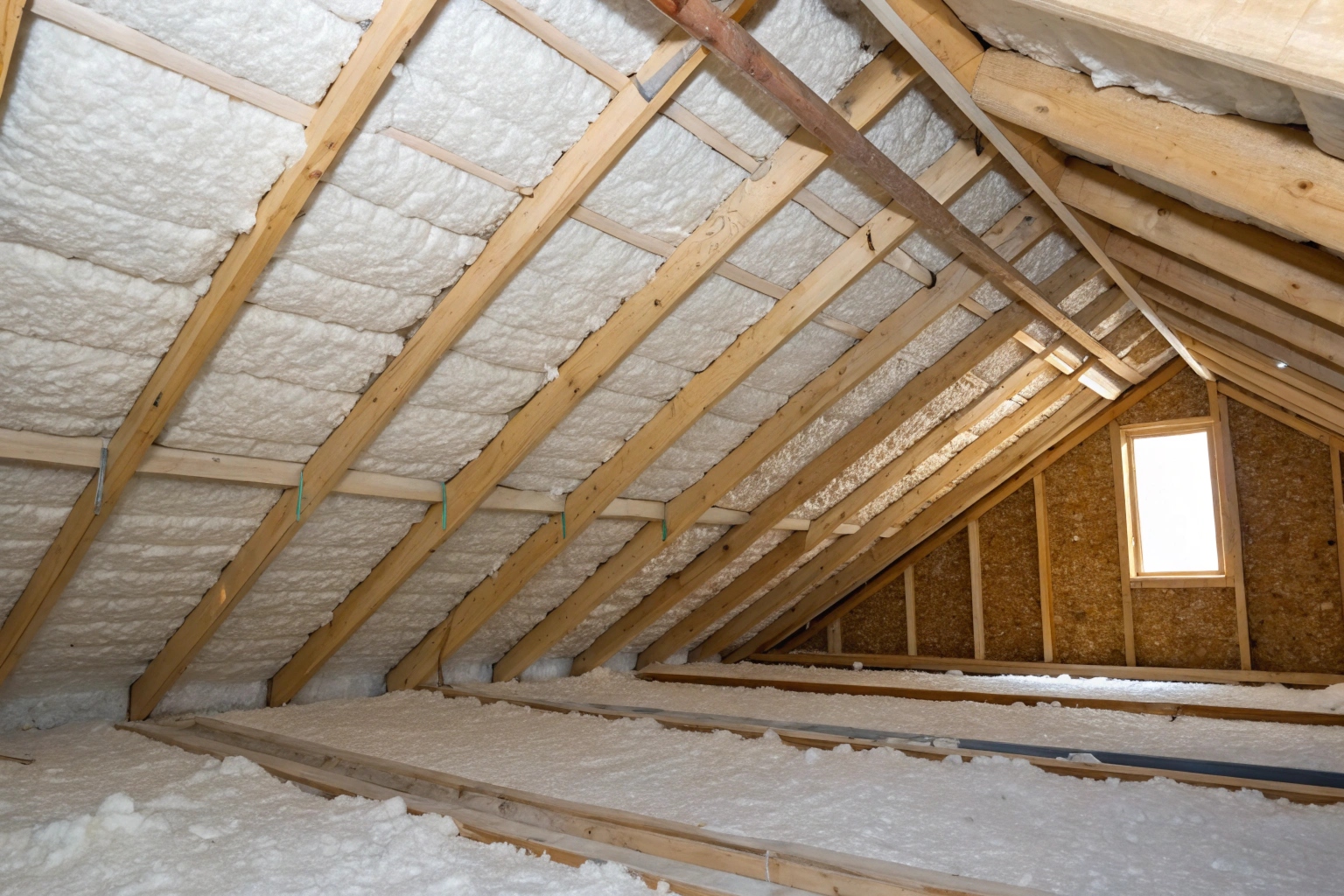
Insulation replacement after mould remediation is not simply a matter of putting the same product back. The replacement insulation installed following contamination removal should be selected for the specific location, the moisture exposure profile of that space, and the thermal performance requirements of the property.
Standard glass wool batts are the default insulation product across most Australian residential construction. In dry, well-ventilated ceiling spaces with no ongoing moisture risk, they remain a suitable replacement option. In spaces with a history of moisture exposure or ongoing humidity challenges — which describes a significant proportion of Central Coast roof cavities and subfloor environments — insulation products with better moisture resistance characteristics are worth serious consideration.
Correct installation is equally important as product selection. Compressed, gapped, or incorrectly fitted replacement insulation creates thermal bridging and moisture accumulation conditions that increase the risk of renewed mould activity — undoing the remediation work beneath it.
We specify and install replacement insulation appropriate to each location and exposure profile across all Central Coast properties we service.
For many Central Coast homeowners, insulation replacement following water damage or mould contamination is a claimable building insurance event — not an out-of-pocket cost. Where the mould contamination originates from a defined and sudden water damage event — a burst pipe, storm water ingress, roof damage following severe weather — the resulting insulation damage typically falls within the scope of a standard building insurance policy.
The practical challenge for most homeowners is not eligibility — it is documentation. Insurance assessors require a clear scope of works that identifies the affected insulation, the cause of contamination, the removal and disposal methodology, and the replacement specification. Without professional documentation, claims for insulation replacement are frequently underscoped, delayed, or disputed.
We provide the full documentation package required to support insulation replacement claims on the Central Coast:
A note for Central Coast homeowners: Gradual moisture ingress and long-term condensation issues are typically excluded from building insurance cover — insurers distinguish between sudden damage events and maintenance-related deterioration. Where contamination has developed progressively, we can advise on the most accurate and supportable way to present the scope to your insurer.
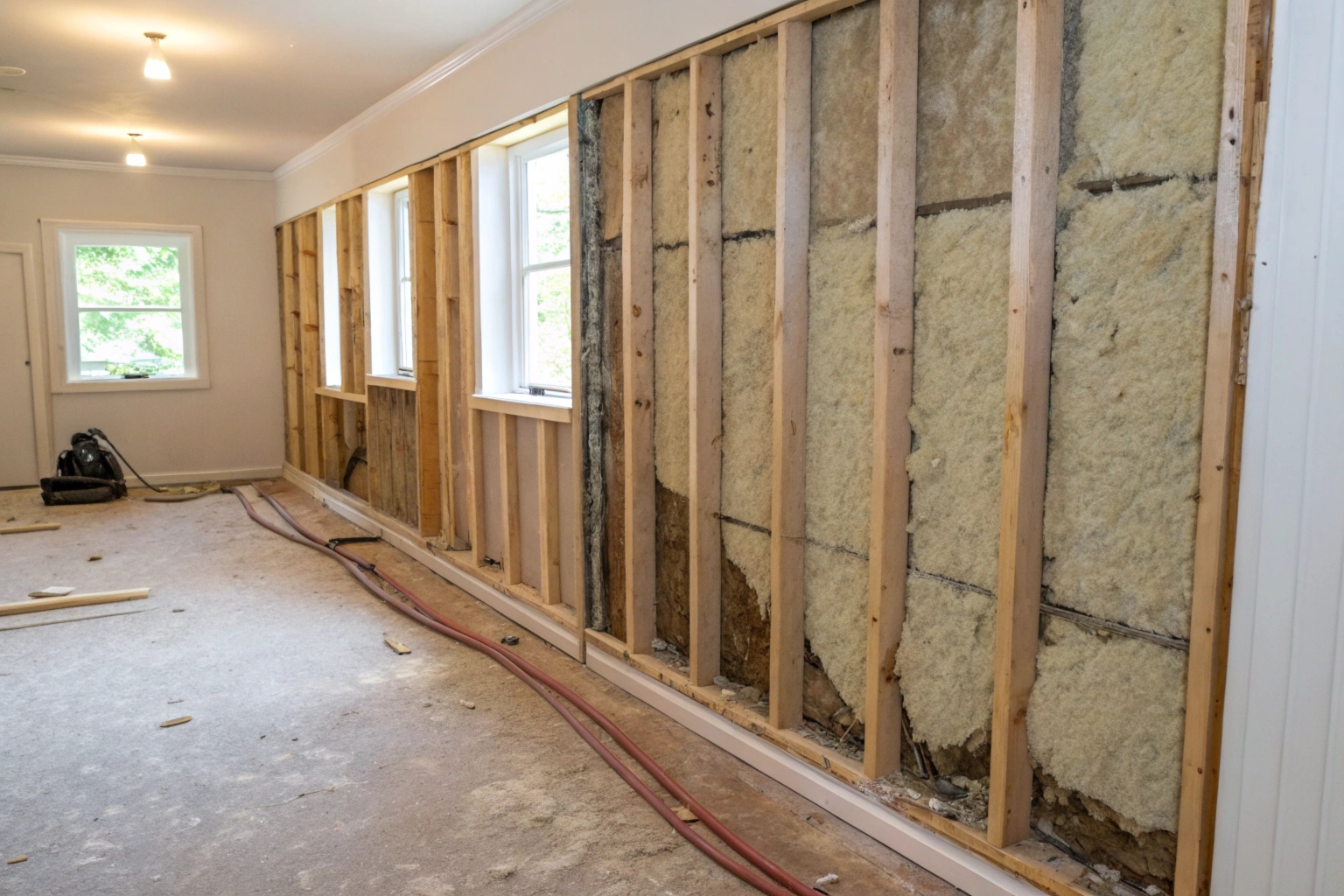
Insulation replacement after mould on the Central Coast follows a defined sequence. Understanding each stage helps set accurate expectations around access requirements, timeline, and what the property will look like at each point in the process.
Initial Inspection and Scope
We carry out a physical inspection of the affected cavity spaces before any work begins. For ceiling insulation, this means accessing the roof space directly — contamination extent cannot be reliably assessed from below. For wall cavity and subfloor insulation, inspection methodology depends on existing access points and the degree of visible damage already identified during the broader remediation assessment.
Containment and Safe Removal
Affected areas are prepared with containment measures before removal begins. Batts are removed, bagged, and sealed at the point of extraction following the full contaminated waste protocol outlined earlier on this page.
Cavity Treatment
Following removal, all exposed surfaces in the cavity — timber framing, noggins, top plates, and flooring — are treated with antimicrobial solution before replacement insulation is installed. This step is non-negotiable. Installing replacement insulation over untreated surfaces reintroduces contamination risk immediately.
Replacement Installation
Replacement insulation is installed to the specified product and R-value, with full coverage confirmed before cavity access is closed. Where wall linings have been removed to access cavity insulation, reinstatement of wall linings follows as a separate scope item.
Documentation
A completion report is provided confirming removal scope, disposal, treatment, and replacement specification.
No. Unlike hard surfaces such as timber framing or plasterboard, insulation batts cannot be effectively decontaminated in place. The fibrous, porous structure of glass wool and polyester batts makes complete mould elimination impossible with any surface-applied treatment. Replacement is the only outcome that removes the contamination source.
Visible signs from inside the property — persistent damp smell in rooms below the ceiling, staining on ceiling surfaces that returns after painting, or a history of roof leaks or water damage — are reliable indicators that ceiling batts may be contaminated. The only way to confirm extent is a physical inspection of the roof cavity by a qualified operator.
Product selection depends on location and moisture exposure profile. In subfloor and roof spaces with a history of moisture issues, polyester batts offer better moisture resistance than standard glass wool and are generally preferred. Correct R-value for the Central Coast climate zone and full installation coverage without compression are equally important considerations.
Where contamination results from a sudden, defined water damage event — burst pipe, storm ingress, roof damage — insulation replacement is typically covered under a standard building insurance policy. Professional scope documentation is required to support the claim effectively. Gradual moisture-related deterioration is generally excluded from cover.
If you have identified mould in your ceiling space, wall cavities, or subfloor — or if a recent water damage event has left you uncertain about the condition of your insulation — the right next step is a professional inspection that confirms the extent of contamination and gives you a clear scope of works.
We carry out insulation removal and replacement across the Central Coast as part of complete mould remediation projects and as a standalone service where insulation contamination has already been identified. Every job follows the full safe removal protocol, cavity treatment before reinstatement, and appropriate product selection for the specific location and moisture exposure profile.
We service all Central Coast locations including:
What you receive:
Call us today to arrange an inspection and scope for your Central Coast property. We provide clear, written assessments with no obligation — so you know exactly what is required before any work begins.
GHL form embed — pending